
4 Ways to Overcome the Fear of Rhinoplasty
Fear of rhinoplasty is a common challenge for people who decide to undergo this cosmetic procedure. Factors such as anesthesia and the surgical process itself can bring on stress and anxiety. Questions like "Is nose surgery frightening?" and "How can I get rid of my fear of rhinoplasty?" come to mind for many people.
It helps to know that fear of surgery is completely natural. By learning enough about the stages of the procedure, it can start to feel easier and far less intimidating. Below, we look at effective ways to overcome the fear of rhinoplasty.
How Can You Overcome the Fear of Rhinoplasty?
This article helps patients ease their fear by understanding the consultation process and surgical planning involved. Understanding the anesthesia process and building a relationship of trust with the surgeon can go a long way toward reducing these concerns.
1. The Physical Consultation and Surgical Planning
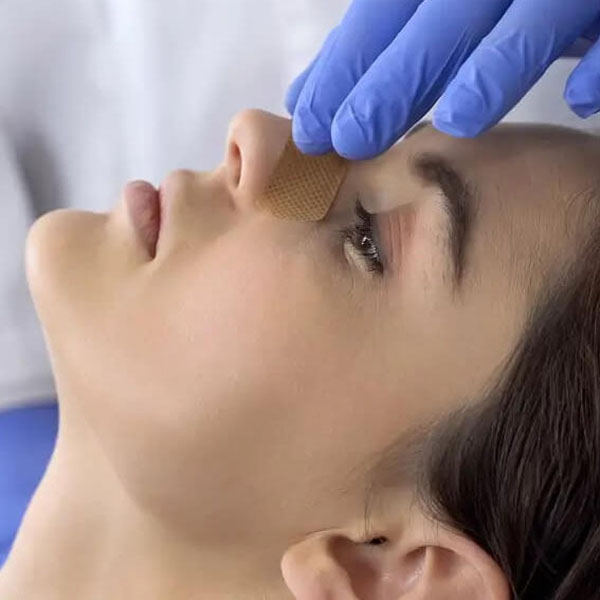
Before rhinoplasty, a thorough examination of the patient and a planning phase take place. At this stage, the doctor uses endoscopic devices to assess any functional issues with the nose and listens carefully to the patient's aesthetic expectations. If the patient is medically suitable for surgery, the next steps begin.
Attention to detail and the necessary tests, including blood work, can help reduce fear about the outcome of the surgery. Once you understand these steps, there is far less reason to worry.
Are you a good candidate?
Your goal, medical condition, anatomy, and expectations for the result should all be reviewed together in an in-person evaluation.
What is a common mistake?
Deciding based only on one portfolio photo, or comparing yourself to someone else, can create unrealistic expectations.
Why does choosing the right surgeon matter?
A good outcome is not just about appearance; preserving function, safety, and a proper aftercare plan are also part of the treatment.
2. The Operating Room Process
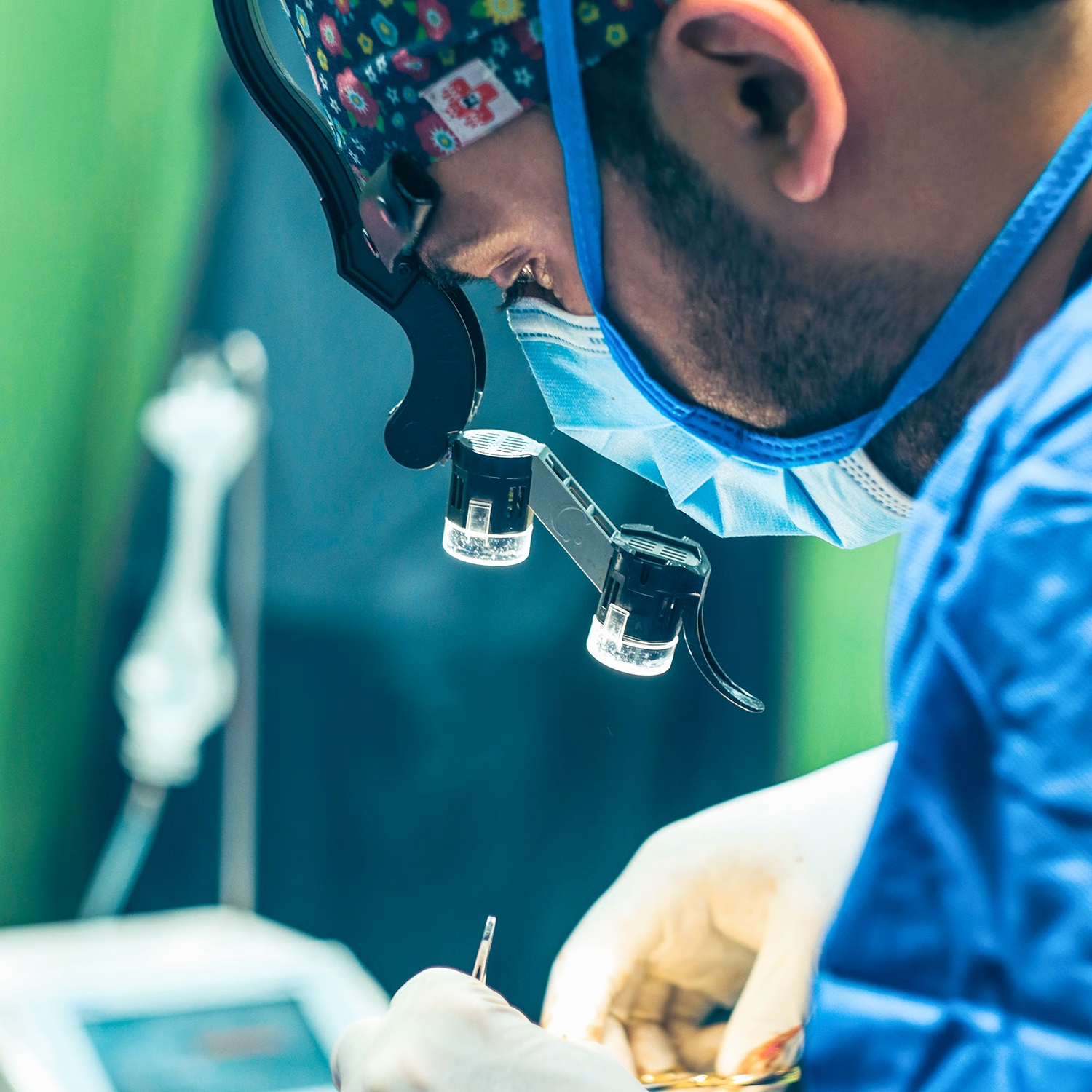
Fear of rhinoplasty can intensify once inside the operating room. A low room temperature is necessary to maintain sterile conditions, but the patient is given special care to prevent discomfort. Sedatives are used when needed to help keep the patient's stress under control.
3. The Anesthesia Process and Techniques Used During Surgery
In nose surgeries performed under general anesthesia, the risks associated with anesthesia are reviewed beforehand. An anesthesiologist is present throughout the procedure, monitoring the patient's vital signs. This helps prevent the patient from waking during surgery and keeps discomfort to a minimum.
4. Don't Be Afraid — Trust Your Surgeon
Choosing an experienced surgeon with a strong track record of successful results can help ease the fear of rhinoplasty. Trusting your surgeon and getting clear, accurate information about each stage of the procedure can reduce a patient's stress and anxiety. Newer silicone splints designed to minimize pain can also help lessen this fear.
For more information and a free consultation with the doctor, you can contact us and book the nearest available appointment. Taking this step can help ease your worries and stress.
Frequently Asked Questions
Is fear of rhinoplasty normal?
Yes, fear of rhinoplasty is completely normal, and many people experience this feeling. Learning enough about the procedure can help reduce it.
How can I overcome stress before nose surgery?
Understanding the surgical process, consulting with your doctor, and using relaxation techniques such as meditation and deep breathing can help manage stress.
Is anesthesia in rhinoplasty dangerous?
The risks of anesthesia are reviewed before the procedure, and an anesthesiologist is present throughout the surgery to help look after the patient's safety.
How can I set realistic expectations for the results of rhinoplasty?
Consulting with your doctor and reviewing his previous work can help you form more realistic expectations about the results of your rhinoplasty.
Why is support from family and friends important in reducing fear of rhinoplasty?
Emotional support from family and friends can give you a greater sense of security and help ease your stress and concerns.
Are there other relaxation techniques for managing stress before nose surgery?
Yes, techniques such as yoga and meditation can help you feel calmer and reduce your stress.
Answers to common concerns
Is the information in this article enough to make a treatment decision?
No. This article is for general awareness and does not replace a medical history review, examination, or a treatment plan suited to your individual condition.
When do I need a specialist evaluation for Fear of Rhinoplasty: 4 Practical Ways to Overcome It?
If you have a persistent symptom, a functional problem, a concern about appearance, or a question about the right approach, a specialist evaluation can help you decide with more confidence.
How do I raise my question with the medical team?
Enter your name and mobile number in the short form on this page so your request is logged in our system and the consultation coordination process is activated.
Take the next step with an initial evaluation
Enter your name and mobile number; your file will be created in our system and you'll be moved to the booking page.