
Types of Rhinoplasty
Rhinoplasty is one of the most common procedures in facial plastic surgery, performed for a variety of reasons. In this article, we look at the different types of rhinoplasty, the techniques used, and important points to consider before and after surgery. We also answer some frequently asked questions on the topic.
What Is Rhinoplasty?
Rhinoplasty is the medical term for nose surgery — a procedure that can improve the appearance and size of the nose, helping bring it into better balance with the rest of the face and supporting greater self-confidence. This surgery falls into two main categories: cosmetic surgery and reconstructive surgery.
- Cosmetic rhinoplasty: The goal of this type of surgery is to improve the balance between the face and the nose and to correct aesthetic imperfections.
- Reconstructive rhinoplasty: This type of surgery is performed to correct breathing problems or deformities resulting from an injury or a congenital condition.
Dr. Hamidreza Rasti is one of the leading nose surgeons in Tehran, with extensive experience and skill in both types of surgery.
Also read: Bony vs. Cartilaginous Rhinoplasty
Preparing for Rhinoplasty
Am I a Good Candidate for Rhinoplasty?
Cosmetic nose surgery is a highly personal decision, and the best results come from a thorough consultation with a plastic surgeon. The following are generally required for rhinoplasty:
- Facial growth is complete (typically over the age of 18).
- The individual is in good general health with no significant medical conditions.
- The individual has realistic, clearly defined goals for improving their appearance.
Are you a good candidate?
Your goal, medical condition, anatomy, and expectations for the result should all be reviewed together in an in-person evaluation.
What is a common mistake?
Deciding based only on one portfolio photo, or comparing yourself to someone else, can create unrealistic expectations.
Why does choosing the right surgeon matter?
A good outcome is not just about appearance; preserving function, safety, and a proper aftercare plan are also part of the treatment.
How Should I Prepare for Rhinoplasty?
Preparing for rhinoplasty generally involves the following steps:
- Scheduling a free consultation with the surgeon.
- Completing any necessary lab tests.
- Adjusting medications and stopping smoking at least two weeks before surgery.
- Avoiding anti-inflammatory medications and herbal supplements.
What Results Can I Expect from Rhinoplasty?
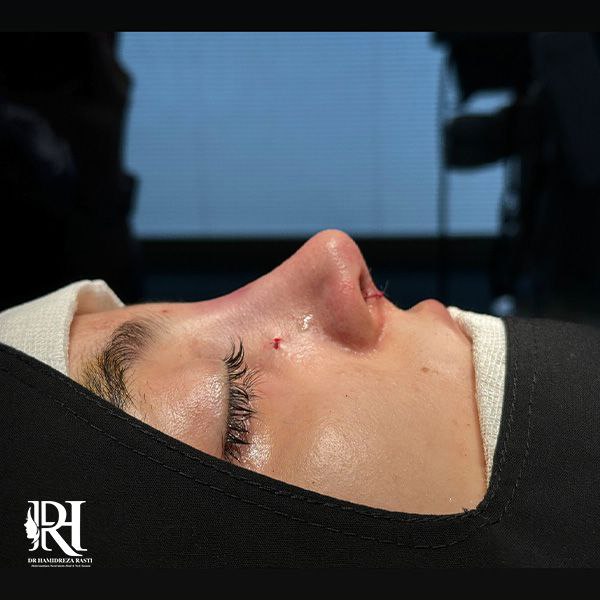
Rhinoplasty can be performed using either an open or a closed technique. In the open technique, an incision is made across the columella, the strip of skin between the nostrils; in the closed technique, all incisions are made inside the nose. The surgery may also involve reshaping the nose using cartilage grafts.
Rhinoplasty typically takes one to two hours and may involve the use of splints and internal packing to support the nose afterward. Full recovery can take up to a year.
Also read: Rhinoplasty for a Fleshy (Thick-Skinned) Nose
What Are the Types of Rhinoplasty?
Rhinoplasty falls into two main categories: open rhinoplasty and closed rhinoplasty. The approaches to nose surgery are as follows:
- Open rhinoplasty: Used for more extensive reshaping of the nose; the incision runs across the columella, the strip of skin between the nostrils.
- Closed rhinoplasty: Used for more limited, targeted changes to the nose; all incisions are made inside the nose.
- Secondary (revision) rhinoplasty: Performed to correct issues remaining after a previous surgery.
- Filler rhinoplasty: Involves the use of injectable fillers to reshape the nose, though the results are not permanent.
Also read: Best Nose Surgeon in Tehran
Newer Approaches to Nose Reduction
A number of newer methods for reducing the size of the nose have emerged, including:
- Laser nose surgery
- Nose reduction through massage
Keep in mind that choosing the right surgeon is essential — the wrong choice means you are unlikely to achieve the results you are hoping for.
Laser Rhinoplasty
This method is not yet fully established in Iran and requires specialized equipment.
Nose Reduction Through Massage
This method is generally not effective and produces only temporary changes. The shape of the nose is formed mainly by cartilage, so lasting changes cannot be achieved through massage.
Also read: How to Get a Good Rhinoplasty Result
Conclusion
Given the ongoing advances in nose surgery, rhinoplasty is a procedure aimed at producing long-term change, with results continuing to settle over time as the tissue heals. To book an appointment with Dr. Hamidreza Rasti, one of the leading nose surgeons in Tehran, call the numbers listed on this page, and feel free to leave your questions in the comments below this post.
Frequently Asked Questions
How long does rhinoplasty take?
Rhinoplasty typically takes one to two hours, though the exact duration can vary depending on the type of surgery performed.
Is rhinoplasty painful?
Pain after rhinoplasty is generally mild and can be managed with medication prescribed by the doctor.
How long is recovery after rhinoplasty?
Full recovery can take up to a year, although most patients are able to return to light activities within a few days.
Does rhinoplasty carry any risks?
Like any surgery, rhinoplasty can carry certain risks, but choosing an experienced surgeon can help reduce them.
How can I choose the best nose surgeon?
Look for a surgeon with proper specialized qualifications and sufficient experience in nose surgery, and review examples of their previous work.
Related article: Nasal Polyps
Answers to common concerns
Is the information in this article enough to make a treatment decision?
No. This article is for general awareness and does not replace a medical history review, examination, or a treatment plan suited to your individual condition.
When do I need a specialist evaluation for Types of Rhinoplasty: An Overview of 3 Common Nose Surgery Methods?
If you have a persistent symptom, a functional problem, a concern about appearance, or a question about the right approach, a specialist evaluation can help you decide with more confidence.
How do I raise my question with the medical team?
Enter your name and mobile number in the short form on this page so your request is logged in our system and the consultation coordination process is activated.
Take the next step with an initial evaluation
Enter your name and mobile number; your file will be created in our system and you'll be moved to the booking page.