
Anesthesia Complications After Rhinoplasty
Many people who are considering rhinoplasty worry about the complications of anesthesia after the procedure. This concern is natural, but it can be reduced through proper pre-operative checkups and consultation with a specialist physician. In this article, we review the complications of anesthesia after nose surgery and the strategies for managing them.
What Is General Anesthesia?
General anesthesia is a controlled state in which all of a person's sensations and awareness are temporarily eliminated. In this type of anesthesia, medications are used to put the patient to sleep so that they feel no pain during the surgery and remain unaware of the procedure. It is typically used for longer or more involved surgeries.
How General Anesthesia Is Administered
Before the surgery, the patient meets with an anesthesiologist to determine the appropriate type and dose of anesthetic medication. During this consultation, the doctor reviews the patient's medical history and asks about any allergies or medications currently being taken. A plan for anesthesia and pain management is also prepared at this stage.

Before and During Your Surgery
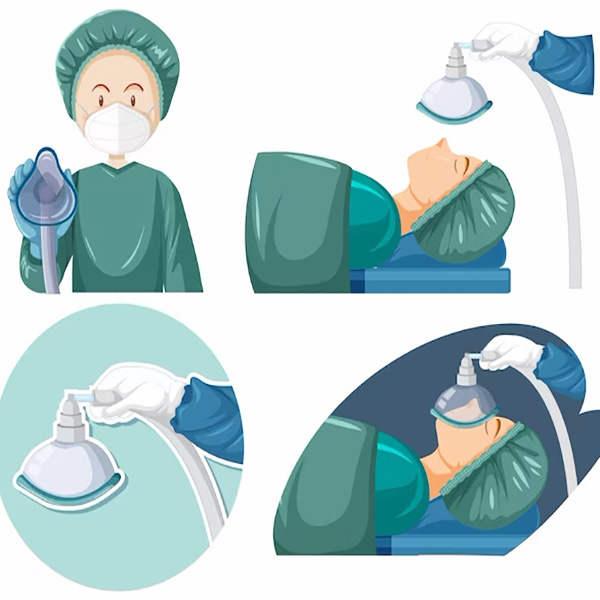
At the time of the operation, the anesthesiologist administers the anesthetic to the patient. This medication can be given as a liquid through an IV line or as a gas through a breathing mask. The patient usually loses consciousness within about a minute, and throughout the surgery, the anesthesiologist monitors their condition closely.
Signs and Complications of Anesthesia After Rhinoplasty
After waking from anesthesia, a patient may experience discomfort and low mood, confusion, shivering, itching, and a sore throat. These symptoms are usually temporary and resolve quickly.
Are you a good candidate?
Your goal, medical condition, anatomy, and expectations for the result should all be reviewed together in an in-person evaluation.
What is a common mistake?
Deciding based only on one portfolio photo, or comparing yourself to someone else, can create unrealistic expectations.
Why does choosing the right surgeon matter?
A good outcome is not just about appearance; preserving function, safety, and a proper aftercare plan are also part of the treatment.
Common, Temporary Side Effects of Anesthesia
Common and temporary side effects of anesthesia after nose surgery include:
- Nausea and vomiting
- Sore throat and dry mouth caused by the breathing tube
- Headache and dizziness
- A feeling of grogginess and drowsiness
Rare and Serious Anesthesia Complications
In some cases, rare complications such as an allergic reaction to the anesthetic (anaphylaxis) or waking up during the surgery (accidental awareness) may occur. These complications are generally more common in longer operations and are seen less often in rhinoplasty.
Serious and Possible Complications
There are also more serious complications that can occur in certain cases, including:
- Allergic reaction to the anesthetic
- Waking up during the operation
- Risk of death (very rare)
Before the surgery, the doctor should discuss these risks with the patient and offer recommendations for reducing them.
How Long Do Anesthesia Complications Last?
The time it takes for anesthesia complications to resolve depends on the type of anesthetic used and the patient's general condition. In most cases, these effects gradually subside within a few hours.
Important Care Tips for the First 24 Hours After Surgery
Following these guidelines during the first 24 hours after surgery can help reduce anesthesia-related complications:
- Getting adequate rest and sleep
- Drinking enough fluids
- Avoiding strenuous activity
- Following the doctor's instructions regarding medication
When Should You See a Doctor?
If the patient experiences unusual symptoms such as severe pain, fever, or shortness of breath, they should see a doctor right away.
The Effect of Underlying Health Conditions on Anesthesia Complications
Underlying conditions such as heart disease, lung disease, or diabetes can affect anesthesia-related complications. For this reason, patients should give their doctor complete information about their health status.
Golden Tips for Reducing Anesthesia Complications
The following strategies can help reduce anesthesia complications:
- Avoiding smoking and alcohol before surgery
- Losing weight if necessary
- Increasing physical activity levels before surgery
If you are planning to undergo rhinoplasty and are concerned about anesthesia complications, it is best to consult your doctor and gather the information you need. This will help you approach this stage of treatment with greater confidence.
Frequently Asked Questions
How long do anesthesia complications after rhinoplasty last?
The time it takes for anesthesia complications to resolve depends on the type of anesthetic used and the patient's general condition, and they usually subside within a few hours.
When should you see a doctor?
If the patient experiences unusual symptoms such as severe pain, fever, or shortness of breath, they should see a doctor right away.
Are anesthesia complications after rhinoplasty dangerous?
Most anesthesia complications after rhinoplasty are temporary and mild, but in rare cases, more serious complications can occur.
How can anesthesia complications be reduced?
Following care guidelines such as getting adequate rest, drinking enough fluids, and avoiding strenuous activity can help reduce anesthesia complications.
Do underlying health conditions affect anesthesia complications?
Yes, underlying conditions such as heart and lung disease can affect anesthesia complications and should be reported to your doctor.
Related article: Best Rhinoplasty Surgeon in Tehran
Answers to common concerns
Is the information in this article enough to make a treatment decision?
No. This article is for general awareness and does not replace a medical history review, examination, or a treatment plan suited to your individual condition.
When do I need a specialist evaluation for Anesthesia Complications After Rhinoplasty: 5 Common Issues and How to Manage Them?
If you have a persistent symptom, a functional problem, a concern about appearance, or a question about the right approach, a specialist evaluation can help you decide with more confidence.
How do I raise my question with the medical team?
Enter your name and mobile number in the short form on this page so your request is logged in our system and the consultation coordination process is activated.
Take the next step with an initial evaluation
Enter your name and mobile number; your file will be created in our system and you'll be moved to the booking page.