Guide to Nose Taping After Rhinoplasty
After rhinoplasty (nose surgery), there is a stage known as nose taping that plays an important role in recovery and the final result. In this article, we look at how to tape the nose correctly, how long it should be continued, and the key points to keep in mind during this process. Following these guidelines can support a smoother recovery and a more favorable outcome.
How Long Should You Tape Your Nose After Surgery?
Taping the nose usually continues for somewhere between 1 and 3 months. The exact duration depends on the type of surgery performed and your surgeon's judgment. Some surgeons recommend continuing to tape at night as well, to help keep swelling under control.
The Correct Way to Tape the Nose After Surgery
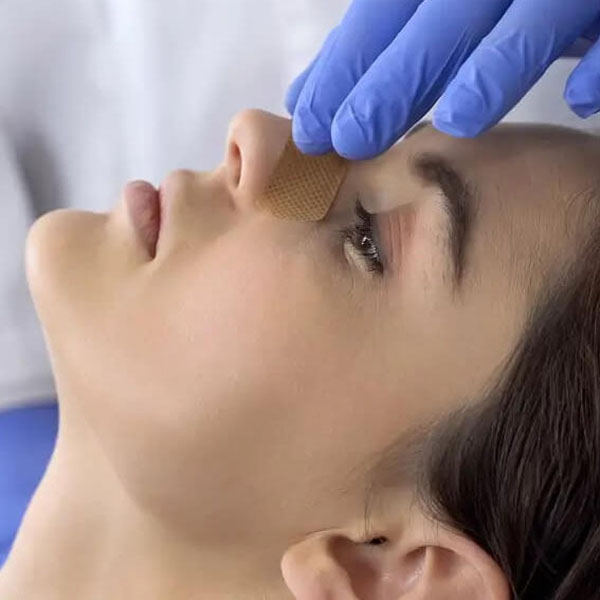
Taping the nose after rhinoplasty calls for care and attention to a few specific principles. Here are the steps, explained one at a time:
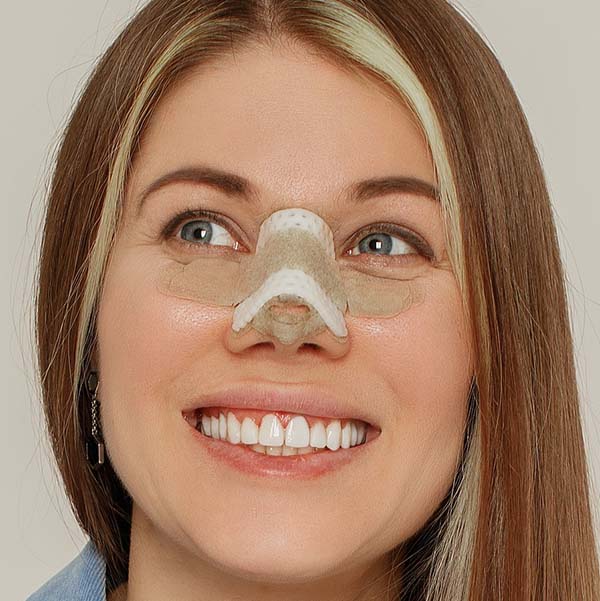
- Step one: Place a strip of tape across the bridge of the nose. This should be done with gentle pressure, and each new strip should overlap at least 50% of the previous one.
- Step two: Apply a U-shaped strip beneath the tip of the nose. This piece should not cover the nostrils.
- Step three: Apply several more strips running from the tip of the nose upward, again using gentle pressure.
How Many Strips and What Size Are Needed for the Nose
Are you a good candidate?
Your goal, medical condition, anatomy, and expectations for the result should all be reviewed together in an in-person evaluation.
What is a common mistake?
Deciding based only on one portfolio photo, or comparing yourself to someone else, can create unrealistic expectations.
Why does choosing the right surgeon matter?
A good outcome is not just about appearance; preserving function, safety, and a proper aftercare plan are also part of the treatment.
The number and size of the strips depend on the shape of the nose and the surgeon's recommendation. As a general guide, each strip should be about 3 to 4 centimeters long.
When to Change the Nose Tape After Surgery
The tape should be changed every 2 to 3 days. Doing so supports healing and helps control swelling. It also helps to moisten the tape with water before removing it, so that it comes away more easily.
How to Remove Tape From the Nose Properly
When removing the tape, work slowly and with care. Wetting the tape with warm water can help reduce any pain or discomfort during removal.
Complications From Taping the Nose Incorrectly
Taping the nose incorrectly can lead to changes in its shape or to increased swelling. For this reason, it is important to follow the guidelines described above.
Nighttime Taping After the First Month
After the first month has passed, your surgeon may recommend continuing to tape the nose overnight as well, to help prevent a rise in swelling.
Cleaning the Skin Before Taping
Before applying tape, the skin of the nose should be thoroughly cleaned. Using cotton with alcohol for this purpose is recommended.
Key Tips for Preventing Swelling When Taping the Nose
Applying gentle, even pressure and overlapping the strips correctly can help reduce swelling in the nose. It is also important to avoid trapping air bubbles underneath the tape.
Difference Between Taping the Tip and the Bridge of the Nose
Taping the tip of the nose and taping the bridge call for slightly different levels of care. At the tip, take care that the tape does not cover the nostrils; at the bridge, the tape should be applied evenly and with appropriate pressure.
For more information and personalized guidance on taping your nose after surgery, you can consult your surgeon. Following these points will help you get the best possible result from your rhinoplasty.
Frequently Asked Questions
Is taping the nose necessary after surgery?
Yes, taping the nose after surgery helps control swelling and supports faster healing. Whether and how it is done depends on your surgeon's recommendation.
How should the nose tape be changed?
The nose tape should be changed every 2 to 3 days. It is best to moisten it with water before removing it.
Does taping make the nose smaller?
Taping the nose helps reduce swelling, but it does not affect the actual size of the nose.
How long should taping continue?
Taping usually continues for 1 to 3 months and should be done according to your surgeon's recommendation.
Can the tape stay on while showering?
It is best to avoid showering for at least a week after rhinoplasty and to use other methods to clean your face during that time.
Answers to common concerns
Is the information in this article enough to make a treatment decision?
No. This article is for general awareness and does not replace a medical history review, examination, or a treatment plan suited to your individual condition.
When do I need a specialist evaluation for Correct Guide to Nose Taping After Rhinoplasty, With 3 Practical Tips?
If you have a persistent symptom, a functional problem, a concern about appearance, or a question about the right approach, a specialist evaluation can help you decide with more confidence.
How do I raise my question with the medical team?
Enter your name and mobile number in the short form on this page so your request is logged in our system and the consultation coordination process is activated.
Take the next step with an initial evaluation
Enter your name and mobile number; your file will be created in our system and you'll be moved to the booking page.