
Causes of Death in Rhinoplasty and 3 Ways to Prevent It
Conversations about rhinoplasty, or nose surgery, are often accompanied by fear and anxiety in the public mind. For this reason, this article looks at the causes of death in rhinoplasty and reviews the methods used to prevent these risks.
Is Death Possible During Rhinoplasty?
Like other cosmetic surgeries, rhinoplasty carries its own complications and risks. However, with scientific and technological advances, the risk of serious problems has been reduced to a minimum. Today, many people undergo this surgery without significant worry.
The Risk of Death in Rhinoplasty
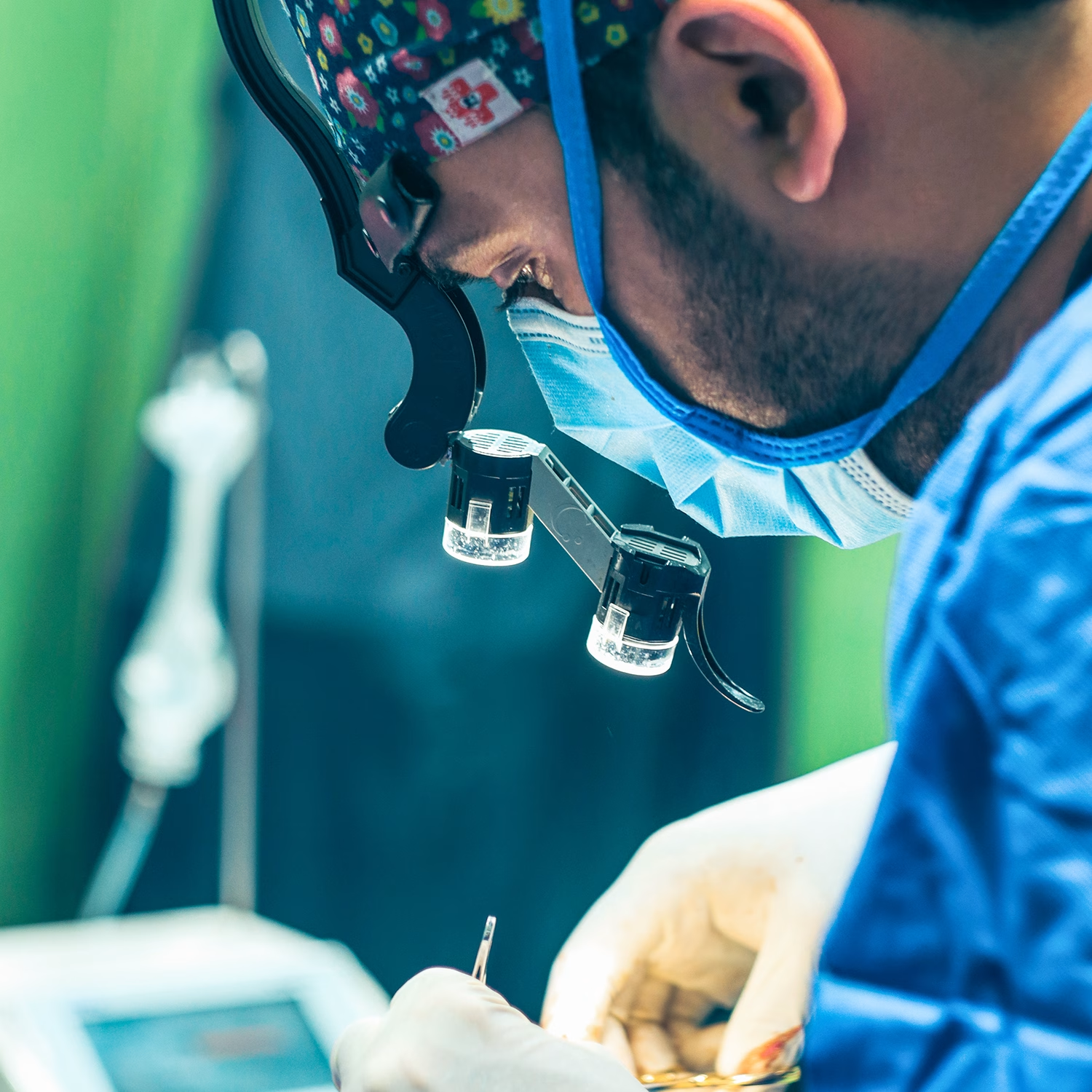
One of the factors linked to death during rhinoplasty is the use of anesthesia. Anesthetic medications and surgical techniques can influence this risk. Factors that affect the final outcome of the surgery and its complications include the following:
- The patient's health history
- Age
- Family health history
- Surgical technique
- The surgeon's experience
- Anesthesia dosage
In general, the death rate in rhinoplasty is lower among healthy, young individuals than among those with underlying illnesses. Non-smokers are also more likely to regain consciousness smoothly than smokers.
Examining the Probability and Mortality Rate in Rhinoplasty
Although rhinoplasty is generally considered a safe cosmetic procedure with few complications, inherent risks exist in any cosmetic surgery. The overall probability of death during rhinoplasty is low, and with advances in technology, this risk has been minimized.
Are you a good candidate?
Your goal, medical condition, anatomy, and expectations for the result should all be reviewed together in an in-person evaluation.
What is a common mistake?
Deciding based only on one portfolio photo, or comparing yourself to someone else, can create unrealistic expectations.
Why does choosing the right surgeon matter?
A good outcome is not just about appearance; preserving function, safety, and a proper aftercare plan are also part of the treatment.
Factors That Increase the Risk of Death in Rhinoplasty
In general, three main factors are recognized as increasing the risk of death during rhinoplasty:
1. Improper Use of Anesthetic Medications
Incorrect use of anesthetic drugs can lead to serious risks such as coma or death. The skill and experience of the anesthesiologist have a major influence on the success of the surgery.
2. Malfunctioning Operating Room Equipment
Improper functioning of medical equipment can carry serious risks. Therefore, ensuring that all equipment operates correctly during surgery is extremely important.
3. Combining Cosmetic and Therapeutic Procedures at the Same Time
Performing several procedures simultaneously can increase the risk of infection and complications. For this reason, choosing an experienced surgeon and following safety protocols is essential.
What Should Be Done to Reduce the Complications of Rhinoplasty?
To reduce the likelihood of complications from rhinoplasty, consider the following points:
- Maintain a healthy lifestyle and a balanced diet.
- Avoid excess weight.
- Quit smoking and alcohol.
- Exercise regularly.
Before the surgery, undergoing the necessary tests and consulting with your doctor is very important. These steps can help prevent complications.
Final Thoughts on the Mortality Rate of Rhinoplasty
Overall, there is no need to be overly concerned about death during rhinoplasty. Statistics show that this occurs rarely and only under specific circumstances. With advances in medical science and equipment, the probability of death during surgery has decreased considerably.
Frequently Asked Questions
Is death possible during rhinoplasty?
Every surgery carries some risk of death, but this risk is very low in rhinoplasty.
What causes death during rhinoplasty?
Causes of death during rhinoplasty include improper use of anesthesia, equipment malfunction, and performing several procedures at the same time.
Are you worried about the risk of death during surgery?
With advances in medical science and equipment, the probability of death during rhinoplasty has been minimized, and there is no need for concern.
If you are looking for more information about rhinoplasty or would like to consult with a specialist, feel free to contact us and take advantage of our consultation services.
Answers to common concerns
Is the information in this article enough to make a treatment decision?
No. This article is for general awareness and does not replace a medical history review, examination, or a treatment plan suited to your individual condition.
When do I need a specialist evaluation for Causes of Death in Rhinoplasty and 3 Ways to Prevent the Risks?
If you have a persistent symptom, a functional problem, a concern about appearance, or a question about the right approach, a specialist evaluation can help you decide with more confidence.
How do I raise my question with the medical team?
Enter your name and mobile number in the short form on this page so your request is logged in our system and the consultation coordination process is activated.
Take the next step with an initial evaluation
Enter your name and mobile number; your file will be created in our system and you'll be moved to the booking page.