Diseases of the Nasal Mucosa
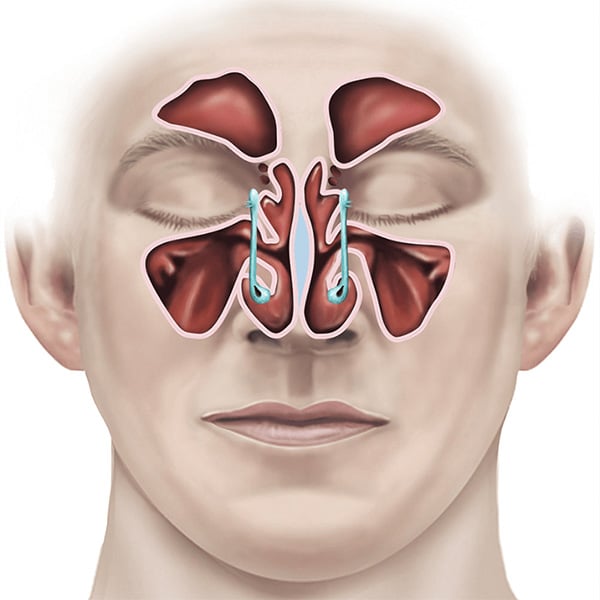
Diseases of the nasal mucosa are a common problem that can significantly affect a person's quality of life. In this article, we will look at inflammation of the nasal mucosa and sinusitis. Please note that this article is intended solely to raise general awareness, and self-treatment is not recommended.
Inflammation of the Nasal Mucosa: Definition and Causes
Inflammation of the nasal mucosa, also known as rhinitis, refers to inflammation of the mucous membrane lining the inside of the nose. It can occur for a variety of reasons, including viral or bacterial infections and allergic factors. Rhinitis can be divided into two main categories: allergic and non-allergic.
Symptoms of Nasal Mucosa Inflammation
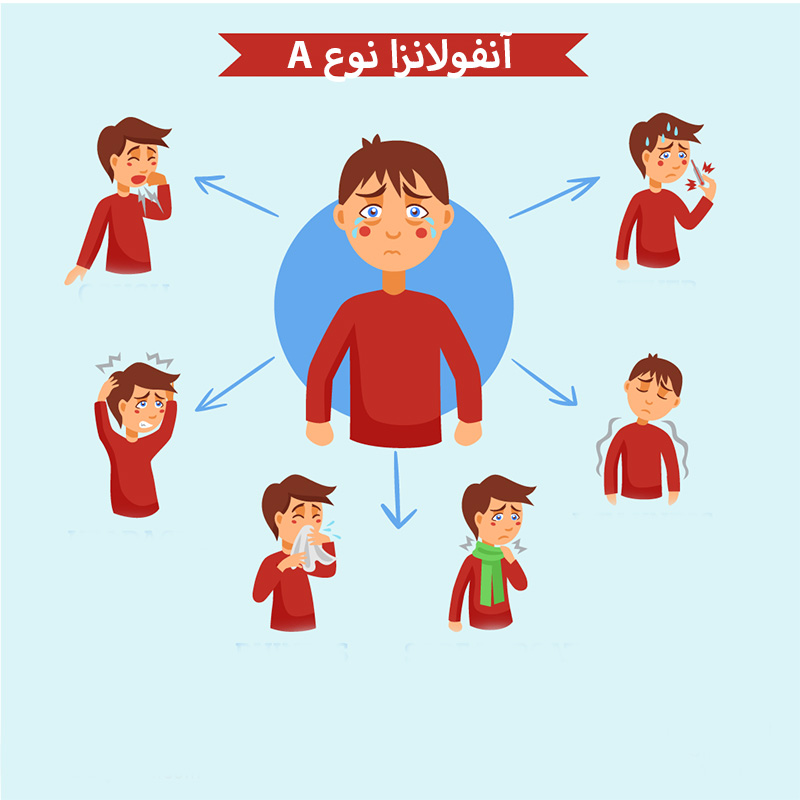
- Nasal congestion
- Runny nose
- Nasal itching
- Sudden sneezing
Types of Rhinitis
Rhinitis is divided into two main categories:
- Allergic rhinitis: caused by allergic reactions to factors such as dust, pollen, and cigarette smoke.
- Non-allergic rhinitis: caused by non-allergic factors such as viral infections or changes in temperature.
Are you a good candidate?
Your goal, medical condition, anatomy, and expectations for the result should all be reviewed together in an in-person evaluation.
What is a common mistake?
Deciding based only on one portfolio photo, or comparing yourself to someone else, can create unrealistic expectations.
Why does choosing the right surgeon matter?
A good outcome is not just about appearance; preserving function, safety, and a proper aftercare plan are also part of the treatment.
Diagnosis and Treatment of Nasal Mucosa Diseases
Diagnostic Methods
Inflammation of the nasal mucosa is usually diagnosed through a clinical examination and, when necessary, skin tests and an IgE blood test. In certain cases, a CT scan may also be needed.
Treatment of Nasal Mucosa Inflammation
Treatment for nasal mucosa inflammation depends on its type. For allergic rhinitis, antihistamines and saline sprays can be effective. In more severe cases, surgical treatment may be required.
Preventing Diseases of the Nasal Mucosa
To help prevent inflammation of the nasal mucosa, it is recommended to avoid allergy-triggering factors and, when needed, rinse the nose with a saline solution.

We hope this article has helped give you useful information about diseases of the nasal mucosa. If you have any questions or would like a consultation, please feel free to reach out to us in the comments section.
Frequently Asked Questions
What is inflammation of the nasal mucosa?
Inflammation of the nasal mucosa refers to inflammation of the mucous membrane inside the nose, which can result from viral or bacterial infections or allergic factors.
What are the main symptoms of nasal mucosa inflammation?
Symptoms include nasal congestion, a runny nose, nasal itching, and sudden sneezing.
How can nasal mucosa inflammation be prevented?
Nasal mucosa inflammation can be prevented by avoiding allergy-triggering factors and rinsing the nose with a saline solution.
What does treatment for nasal mucosa inflammation involve?
Treatment may include antihistamines, saline sprays, and, in more severe cases, surgical treatment.
Answers to common concerns
Is the information in this article enough to make a treatment decision?
No. This article is for general awareness and does not replace a medical history review, examination, or a treatment plan suited to your individual condition.
When do I need a specialist evaluation for Diseases of the Nasal Mucosa – 2 Important Conditions?
If you have a persistent symptom, a functional problem, a concern about appearance, or a question about the right approach, a specialist evaluation can help you decide with more confidence.
How do I raise my question with the medical team?
Enter your name and mobile number in the short form on this page so your request is logged in our system and the consultation coordination process is activated.
Take the next step with an initial evaluation
Enter your name and mobile number; your file will be created in our system and you'll be moved to the booking page.