
14 Frequently Asked Questions About Rhinoplasty
Today we want to answer the questions that most commonly come to mind for people considering rhinoplasty. By providing accurate information, we hope to address most of your questions about nose surgery. Without further delay, let's go through the frequently asked questions about rhinoplasty.
How Much Pain Is Involved in Rhinoplasty?
This is one of the most fundamental questions about rhinoplasty. During the surgery, you are under anesthesia, so you will not feel any pain. Afterward, the doctor will prescribe a mild painkiller to help manage discomfort, and in general, patients do not experience significant pain.
How Long Does Rhinoplasty Take?
The duration of rhinoplasty depends on the type of nose (fleshy or bony) and whether only the cosmetic procedure is being performed or additional procedures are combined with it. In general, rhinoplasty takes between 1 and 3 hours.
How Is Rhinoplasty Performed?
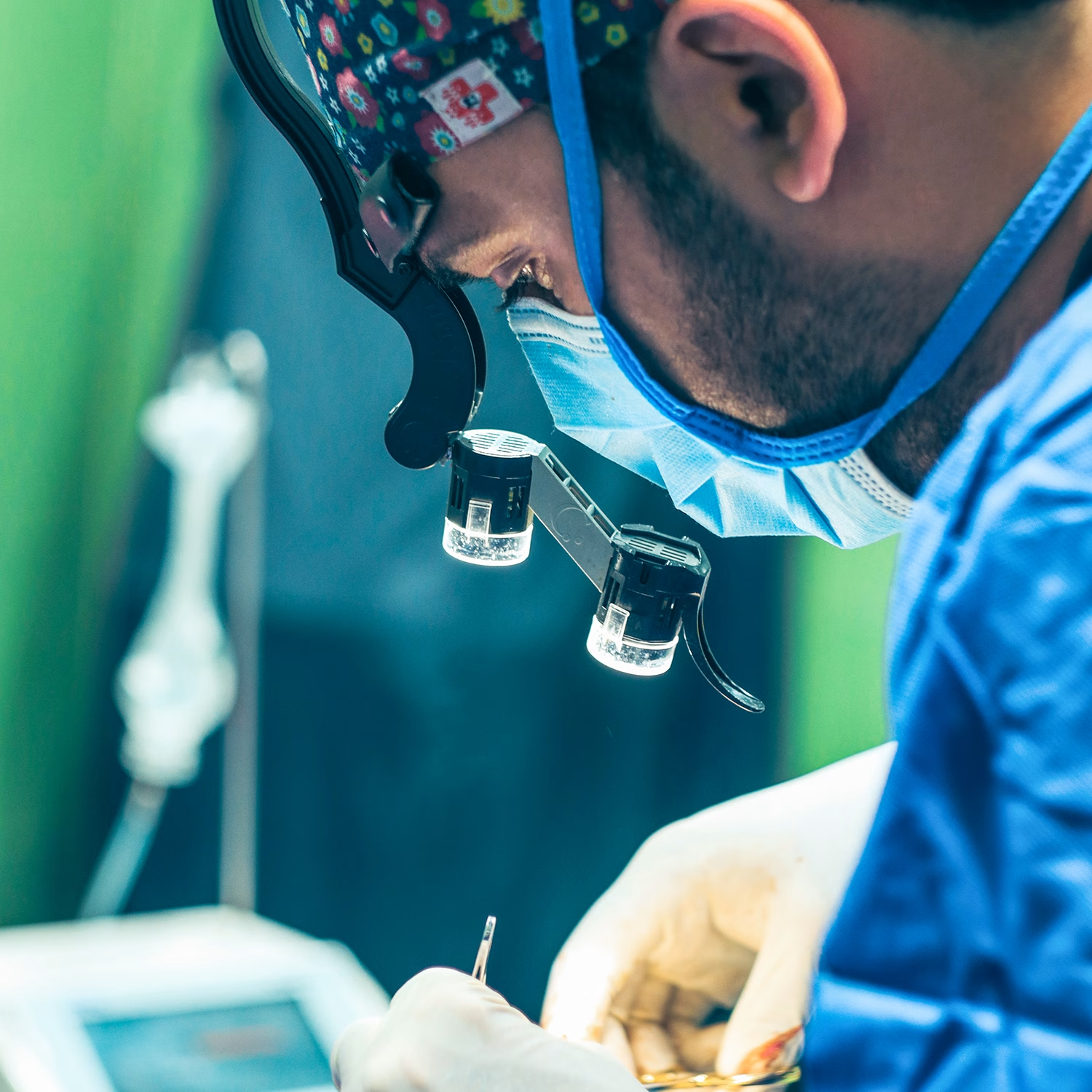
Rhinoplasty involves a process in which incisions are first made in areas of the nose that are not visible. The skin of the nose is then separated from the underlying structure, and using specialized instruments, the bone and cartilage are reshaped into the desired form.
At What Age Can Rhinoplasty Be Performed?
Rhinoplasty is usually performed after age 16 for women and age 18 for men. This age may vary from person to person, but in general, facial and nasal growth must have stopped for the surgery to be performed properly.
How Long Does Swelling Last After Rhinoplasty?
Nasal swelling is typically noticeable for 3 to 6 months after surgery. During this period, you will experience the greatest degree of swelling, after which the nose's true shape gradually becomes visible.
Why Do Pimples Appear After Rhinoplasty?
Are you a good candidate?
Your goal, medical condition, anatomy, and expectations for the result should all be reviewed together in an in-person evaluation.
What is a common mistake?
Deciding based only on one portfolio photo, or comparing yourself to someone else, can create unrealistic expectations.
Why does choosing the right surgeon matter?
A good outcome is not just about appearance; preserving function, safety, and a proper aftercare plan are also part of the treatment.
After surgery, the nose and the surrounding area are covered with a dressing. This covering can cause excess oil to build up under the skin, which may lead to pimples.
Why Is Tape Applied After Rhinoplasty?
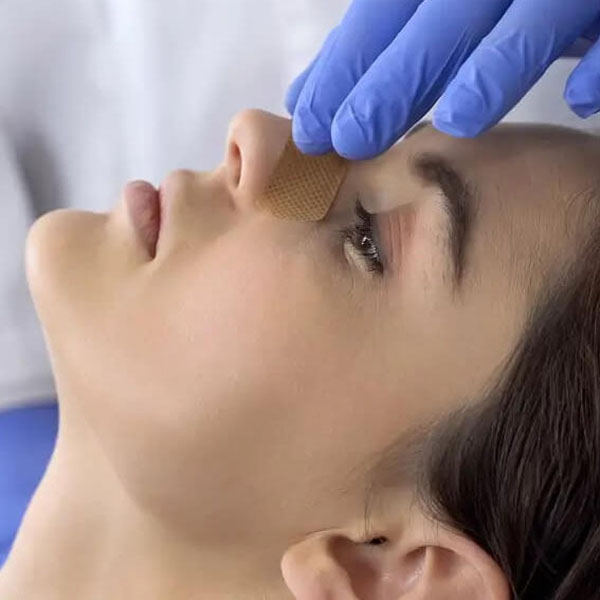
Taping the nose after surgery is necessary to control and reduce swelling and to help support the final results. The tape reduces the gap between the skin and the underlying bone, helping speed up recovery.
Why Do I Feel Dizzy After Rhinoplasty?
Dizziness is a common symptom after rhinoplasty and usually lasts up to 24 hours. It results from the after-effects of anesthesia medications.
Sneezing and Yawning After Rhinoplasty
After rhinoplasty, sneezing should be done through the mouth, and when yawning, the mouth should not be opened wide, to avoid significant movement of the facial muscles. These precautions should be observed for the first month.
Why Shouldn't You Wear Nail Polish or Artificial Nails for Rhinoplasty?
Nail polish and artificial nails can interfere with the readings of the pulse oximeter. For this reason, it is recommended that you avoid wearing them before surgery.
Why Does the Face Swell After Rhinoplasty?
Swelling is the body's natural response to injury. After surgery, the body reacts to this trauma by producing swelling. As healing progresses, the swelling gradually subsides.
Why Does the Nose Feel Blocked After Rhinoplasty?
Nasal congestion after surgery is caused by swelling and the narrowing of the airway passages. This condition typically resolves gradually over the course of the first month.
Why Shouldn't You Sleep on Your Side After Rhinoplasty?
Sleeping on your side can increase swelling and cause the nose to press against the bedding. For this reason, it is recommended that you sleep on your back for 14 days after surgery.
Does Rhinoplasty Carry Risks?
Every surgery carries its own risks. However, choosing an experienced surgeon and undergoing the necessary pre-operative tests can help reduce those risks. Fortunately, Dr. Hamidreza Rasti's patients have not experienced any serious complications to date.
We hope we have answered most of your questions about rhinoplasty. If you have any other questions, please leave them in the comments section or contact us using the phone numbers listed on the website.
Based on the information provided, if you are considering rhinoplasty, we recommend consulting a specialist surgeon so you can make the best decision. Doing so can help you approach this important step fully informed.
Frequently Asked Questions
Is Rhinoplasty Suitable for Everyone?
Rhinoplasty is suitable for individuals who have reached the appropriate age and are in good general health. However, the necessary consultations should take place before surgery.
Does Rhinoplasty Have Side Effects?
Yes, like any other surgery, rhinoplasty can have side effects. These may include infection, bleeding, and changes in nasal sensation.
How Long After Surgery Can I Return to Daily Activities?
Depending on the type of surgery and your body's response, you can usually return to your daily activities after one to two weeks.
Can I Have Other Procedures at the Same Time as Rhinoplasty?
Yes, in some cases other procedures, such as sinus surgery, can be performed at the same time as rhinoplasty. This should be discussed and evaluated during your consultation with the surgeon.
How Can I Prevent Swelling After Rhinoplasty?
Following post-operative care instructions, including using ice and sleeping on your back, can help reduce swelling.
Answers to common concerns
Is the information in this article enough to make a treatment decision?
No. This article is for general awareness and does not replace a medical history review, examination, or a treatment plan suited to your individual condition.
When do I need a specialist evaluation for 14 Frequently Asked Questions About Rhinoplasty?
If you have a persistent symptom, a functional problem, a concern about appearance, or a question about the right approach, a specialist evaluation can help you decide with more confidence.
How do I raise my question with the medical team?
Enter your name and mobile number in the short form on this page so your request is logged in our system and the consultation coordination process is activated.
Take the next step with an initial evaluation
Enter your name and mobile number; your file will be created in our system and you'll be moved to the booking page.