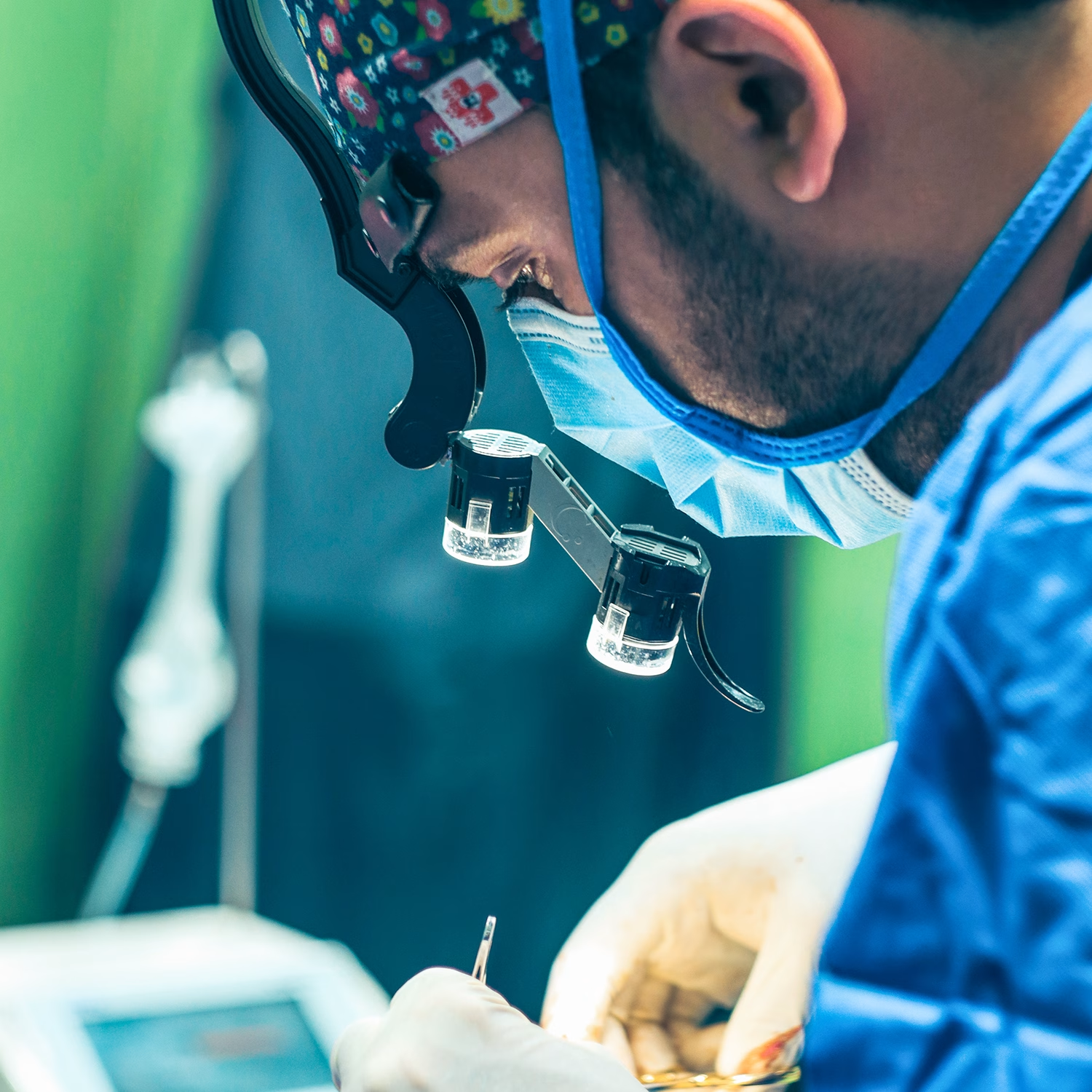
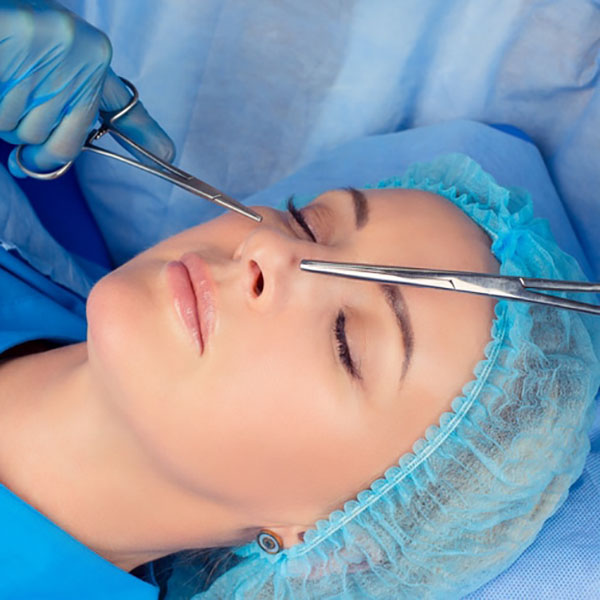
How Is a Nose Job Performed?
A nose job, also known as rhinoplasty, is a procedure used to change the shape or size of the nose. It is generally performed for two main reasons: cosmetic improvement and breathing problems such as a deviated septum. In this article, we look at the steps involved and the key points to know about rhinoplasty.
What Is a Nose Job, and What Does Rhinoplasty Mean?
Rhinoplasty refers to nasal surgery that can involve reshaping the nose, or reducing or increasing its size. The procedure can help improve both breathing function and outward appearance.
Steps to Take Before Rhinoplasty
Before deciding to have a nose job, keep the following points in mind:
- Define your goal: Be clear about why you want to change your nose.
- Choose your surgeon: Select an experienced, reputable surgeon.
- Necessary tests: Have a CT scan and any other required tests done before the surgery.
Choosing the Right Rhinoplasty Surgeon
Choosing the right surgeon is one of the most important steps. Consider the following:
- Review the surgeon's qualifications and experience.
- Ask about the number of successful procedures performed and possible complications.
- Look into feedback and satisfaction from previous patients.
CT Scans and Essential Pre-Operative Tests
Before rhinoplasty, a CT scan and other necessary tests are required to assess the condition of the nose and any breathing issues. These tests help the surgeon decide on the best surgical approach.
Anesthesia During Rhinoplasty
Rhinoplasty is usually performed under general anesthesia. This type of anesthesia keeps the patient from feeling any pain during the procedure.
Are you a good candidate?
Your goal, medical condition, anatomy, and expectations for the result should all be reviewed together in an in-person evaluation.
What is a common mistake?
Deciding based only on one portfolio photo, or comparing yourself to someone else, can create unrealistic expectations.
Why does choosing the right surgeon matter?
A good outcome is not just about appearance; preserving function, safety, and a proper aftercare plan are also part of the treatment.
Types of Surgical Incisions
Surgical incisions in rhinoplasty fall into two types: closed (internal) and open (external). Closed incisions are made inside the nostrils, while open incisions are made on the skin between the nostrils.
Techniques for Correcting the Nasal Bone and Cartilage
At this stage, the surgeon uses various techniques to reshape the nasal bone and cartilage. These techniques include fracturing and repositioning the bone and adjusting the cartilage.
How Long Does Rhinoplasty Take?
Rhinoplasty usually takes between 1.5 and 3 hours, and the patient may need to stay in the hospital for one or two nights.
Closing the Incisions: Absorbable and Non-Absorbable Sutures
After the surgery, the incisions are closed using either absorbable or non-absorbable sutures. Absorbable sutures dissolve on their own over time, while non-absorbable sutures need to be removed later.
Placing Nasal Packing and Internal Dressing
After surgery, special packing is placed inside the nose to help prevent bleeding and swelling. This packing is usually left in place for a few days.
Bandaging the Nose With Tape and a Splint (Nasal Cast)
To support the nose during recovery, tape and a splint (nasal cast) are used. This bandaging helps the nose maintain its new shape.
Immediate Post-Operative Care and Early Recovery
Certain care measures are necessary after surgery:
- Keeping the dressing and splint in place for about 7 days.
- Avoiding strenuous activity for 4 to 6 weeks.
- Resting and keeping the head elevated to reduce swelling.
Possible Complications and Final Surgical Results
After surgery, complications such as pain, swelling, and bruising around the eyes may occur. It can also take several months for the final results to become fully visible.
The Cost of Rhinoplasty and Factors That Affect the Price
The cost of rhinoplasty depends on several factors, including the surgeon's experience, the location of the surgery, and the type of procedure. It is best to get the necessary consultations before moving forward with the surgery.
If you are considering changing the shape of your nose, it is best to consult a specialist surgeon and think through every aspect carefully. This procedure can have a significant impact on your appearance and quality of life. With the right information and the right choices, you can work toward the results you are hoping for.
Frequently Asked Questions
How is a nose job performed?
Rhinoplasty is usually performed under general anesthesia and involves internal or external incisions along with correction of the nasal bone and cartilage.
How long is the recovery period after a nose job?
Recovery generally takes between 1 and 2 weeks, although it can take up to 6 months for the final results to fully show.
What are the possible complications of rhinoplasty?
Possible complications include pain, swelling, bruising, and breathing problems. If any unusual symptoms appear, you should contact your doctor.
How do you choose the right rhinoplasty surgeon?
To choose the right surgeon, review their qualifications and experience, and read feedback from previous patients.
How long does the rhinoplasty procedure itself take?
Rhinoplasty usually takes between 1.5 and 3 hours and may require a short hospital stay.
Answers to common concerns
Is the information in this article enough to make a treatment decision?
No. This article is for general awareness and does not replace a medical history review, examination, or a treatment plan suited to your individual condition.
When do I need a specialist evaluation for How Is a Nose Job Performed??
If you have a persistent symptom, a functional problem, a concern about appearance, or a question about the right approach, a specialist evaluation can help you decide with more confidence.
How do I raise my question with the medical team?
Enter your name and mobile number in the short form on this page so your request is logged in our system and the consultation coordination process is activated.
Take the next step with an initial evaluation
Enter your name and mobile number; your file will be created in our system and you'll be moved to the booking page.