Nasal Irrigation
Nasal irrigation is a safe and simple method for clearing the sinuses that can help relieve the symptoms of sinus infections, allergies, colds, and other upper respiratory conditions. If you're looking for a way to rinse your nasal passages, saline solutions, syringes, and nasal irrigation kits available at pharmacies are all suitable options.
What Is Nasal Irrigation and Why Is It Needed?
Nasal irrigation is a home remedy for clearing the sinuses. The sinuses are hollow, air-filled spaces behind the bones of the face that normally stay open to allow easy breathing. When the sinuses become irritated or inflamed, mucus can block the nasal passages. Nasal irrigation uses a saline solution (a mixture of water and sodium chloride) with a neti pot or a squeeze bottle to clear this blockage. The process thins the mucus and flushes out irritants.
Learn more: What Is Sinusitis?
Health Benefits of Nasal Irrigation
Nasal irrigation can help relieve symptoms associated with allergies, sinus infections (sinusitis), colds, and the flu. It may also help improve breathing and reduce sinus inflammation.
How to Perform Nasal Irrigation Correctly
- Wash your hands with soap and water.
- Prepare the irrigation solution. To make a solution at home, mix one to two cups of distilled, boiled water with ½ to ¼ teaspoon of non-iodized salt.
- Prepare your irrigation vessel and pour the saline solution into it.
- Lean slightly over the sink and look forward. Breathe through your mouth and place the spout of the vessel into the upper nostril.
- Tilt the vessel, or squeeze the bottle, so the water flows through and out the other nostril.
- Repeat the process for the other nostril.
Are you a good candidate?
Your goal, medical condition, anatomy, and expectations for the result should all be reviewed together in an in-person evaluation.
What is a common mistake?
Deciding based only on one portfolio photo, or comparing yourself to someone else, can create unrealistic expectations.
Why does choosing the right surgeon matter?
A good outcome is not just about appearance; preserving function, safety, and a proper aftercare plan are also part of the treatment.
The Best Time for Nasal Irrigation
Nasal irrigation can be done as a daily routine or before bedtime. It is especially recommended during periods of allergy symptoms or a cold.
What You Need for Nasal Irrigation
Nasal irrigation requires water and salt. It is best to use distilled, boiled, or purified water, along with non-iodized salt for the solution.
Nasal Irrigation Devices
Several types of devices can be used for nasal irrigation, including neti pots, squeeze bottles, and nasal sprays. Each has its own advantages and drawbacks.
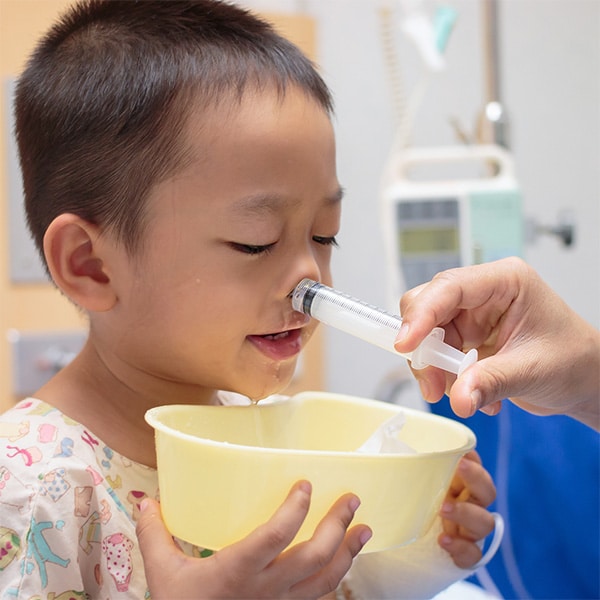
Nasal Irrigation in Children and Infants
Nasal irrigation in children and infants can help reduce the symptoms of colds and allergies. However, it should be done with care and is best carried out under a doctor's supervision.
Nasal Irrigation During Pregnancy
Pregnant women can use nasal irrigation to relieve respiratory symptoms. That said, it is best to consult a doctor before doing so.
Possible Side Effects of Nasal Irrigation
Nasal irrigation generally has no significant side effects, though some people may experience burning or irritation in the nose afterward. In such cases, reducing the amount of salt in the solution can help.
Nasal Irrigation vs. Nasal Sprays: What's the Difference?
Both nasal irrigation and nasal sprays help relieve respiratory symptoms, but nasal irrigation provides a deeper cleaning of the sinuses and helps remove allergens and pathogens more thoroughly.
Safety Tips for Nasal Irrigation
To prevent infection, use distilled or boiled water and avoid untreated tap water. It is also important to clean your nasal irrigation equipment regularly.
Is Daily Nasal Irrigation Recommended?
Yes, nasal irrigation can be recommended as a daily practice for people who suffer from allergies or sinus infections.
Alternatives to Nasal Irrigation
If nasal irrigation isn't accessible, steam inhalation or the use of humidifiers can help relieve respiratory symptoms.
If you're looking to improve the health of your nose and sinuses, nasal irrigation can be an effective approach. By following proper safety precautions and using the right materials, you can benefit from this method. For further guidance and more detailed information, be sure to consult your doctor.
Frequently Asked Questions
Is nasal irrigation suitable for everyone?
Nasal irrigation is safe for most people, but those with an ear infection or completely blocked sinuses should avoid this method.
How many times a day can nasal irrigation be done?
Nasal irrigation can be performed once or twice a day, particularly when symptoms are present.
Does nasal irrigation have side effects?
Nasal irrigation generally has no significant side effects, though some people may experience burning or irritation in the nose.
When should you see a doctor?
If nasal irrigation isn't relieving your symptoms, or if your symptoms are getting worse, it's best to consult your doctor.
Answers to common concerns
آیا شستشوی بینی برای همه افراد بیخطر است؟
شستشوی بینی برای اکثر افراد بیخطر است و میتواند علائم آلرژی، سینوزیت، سرماخوردگی و آنفولانزا را تسکین دهد. با این حال افرادی که عفونت گوش دارند یا سینوسهایشان کاملاً مسدود است بهتر است از این روش پرهیز کنند.
چند بار در روز میتوان بینی را شستشو داد؟
شستشوی بینی میتواند یک یا دو بار در روز انجام شود، بهویژه در زمان بروز علائم آلرژی یا سرماخوردگی. این کار میتواند بهصورت روزانه یا پیش از خواب نیز تکرار شود.
برای تهیه محلول شستشوی بینی در خانه چه موادی لازم است؟
برای تهیه محلول خانگی، یک تا دو فنجان آب مقطر جوشانده را با نیم تا یکچهارم قاشق چایخوری نمک بدون ید مخلوط میکنند. توصیه میشود از آب مقطر، جوشیده یا تصفیهشده استفاده شود تا خطر عفونت کاهش یابد.
شستشوی بینی چه عوارضی میتواند داشته باشد؟
شستشوی بینی معمولاً عارضه خاصی ندارد، اما ممکن است برخی افراد پس از انجام آن دچار سوزش یا تحریک در بینی شوند. در این صورت کاهش مقدار نمک در محلول میتواند کمککننده باشد.
Take the next step with an initial evaluation
Enter your name and mobile number; your file will be created in our system and you'll be moved to the booking page.