The Most Common Diseases of the Nose
This article looks at the most common diseases of the nose that people may encounter. Our goal is to provide useful, practical information on this topic. Please note that this information is intended for educational purposes only and should not be taken as medical advice. For an accurate consultation and treatment plan, please contact us using the numbers listed on the site.
Sinusitis
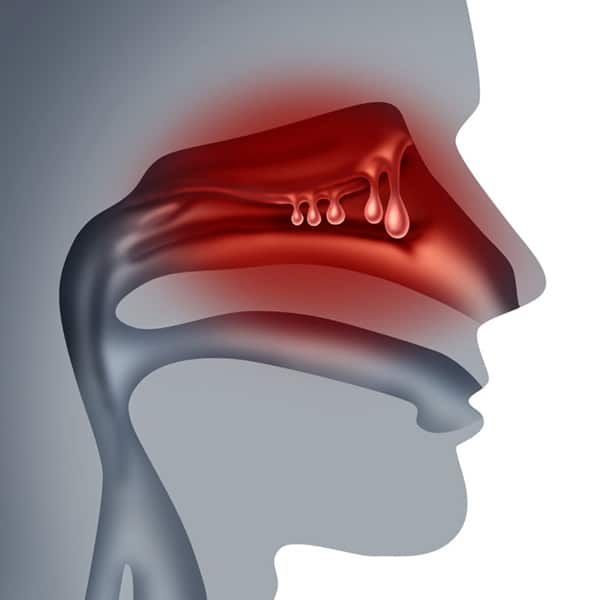
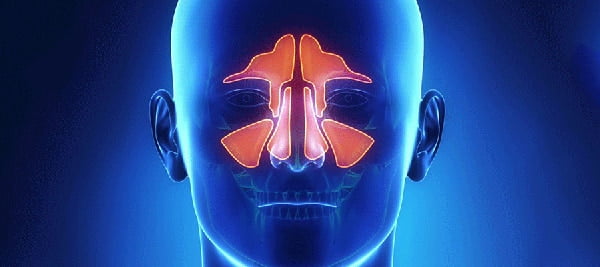
Sinusitis is one of the most common diseases affecting the nose and sinuses, and it impacts a large number of people. It can occur in acute or chronic form and typically presents with symptoms such as nasal blockage, thick nasal discharge, reduced sense of smell, and pressure in the face.
An accurate diagnosis of sinusitis can be difficult, since its symptoms can resemble allergies or upper respiratory infections. A range of treatments is available, including anti-inflammatory medication and endoscopic sinus surgery, which can help improve a patient's condition.
Learn more: What Is Sinusitis?
Nasal and Sinus Polyps
Nasal polyps are another of the most common diseases of the nose, and they usually occur alongside sinusitis. These polyps can block the nasal airway and make breathing difficult. In some cases, minimally invasive surgery is needed to remove the polyps and improve the patient's condition.
Smell and Taste Disorders
Disorders of smell and taste can significantly affect a person's quality of life. They may result from various conditions, such as chronic rhinosinusitis or respiratory infections. Evaluating these disorders involves a physical examination along with specialized tests.
Are you a good candidate?
Your goal, medical condition, anatomy, and expectations for the result should all be reviewed together in an in-person evaluation.
What is a common mistake?
Deciding based only on one portfolio photo, or comparing yourself to someone else, can create unrealistic expectations.
Why does choosing the right surgeon matter?
A good outcome is not just about appearance; preserving function, safety, and a proper aftercare plan are also part of the treatment.
Nasal Cysts
Nasal cysts, recognized as one of the most common diseases of the nose, refer to non-cancerous lumps beneath the skin. These cysts are usually painless, though if complications such as infection or pain develop, treatment may become necessary.
Symptoms of Nasal Cysts
- A small, round lump beneath the skin, usually on the face or nose
- A blackhead-like opening blocking the cyst's outlet
- Thick, foul-smelling discharge if the cyst becomes infected
- Redness and swelling in the area of the cyst if inflammation occurs
Causes of Nasal Congestion and a Stuffy Nose
Nasal congestion can stem from a variety of causes, including viral infections, allergies, and a deviated nasal septum. Identifying the exact cause can help guide the choice of appropriate treatment.
Allergic Rhinitis and Seasonal Nasal Allergies
Allergic rhinitis is one of the most common diseases of the nose and typically becomes worse during certain seasons of the year. Symptoms such as a runny nose, sneezing, and itchy eyes are characteristic of this condition. Treatment includes antihistamines and anti-inflammatory medications.
Nosebleeds and Their Causes
Nosebleeds can occur for a number of reasons, including dry air, injury, or nasal infections. In most cases, this is not a serious problem and can be managed with home care.
Preventing Diseases of the Nose
To help prevent the most common diseases of the nose, maintaining good personal hygiene and receiving appropriate vaccinations, particularly the flu vaccine, can be very effective. Keeping adequate humidity in your living environment and avoiding irritants is also recommended.
This article has reviewed the most common diseases of the nose. If you or someone you know is dealing with any of these issues, we recommend consulting a specialist physician to receive appropriate treatment.
Frequently Asked Questions
What is sinusitis and what are its symptoms?
Sinusitis is an inflammatory condition of the sinuses that presents with symptoms such as nasal blockage, thick discharge, and facial pressure.
How can nasal polyps be treated?
Nasal polyps are usually treated with anti-inflammatory medications, though surgery may be necessary in more severe cases.
What causes disorders of smell?
Smell disorders can result from respiratory illnesses, allergies, or nerve damage, and they require careful evaluation.
How can nosebleeds be prevented?
To help prevent nosebleeds, you can use humidifiers and take care to avoid injury to the nose.
What are the symptoms of allergic rhinitis?
Allergic rhinitis is usually accompanied by a runny nose, sneezing, and itchy eyes, and it can become worse during certain seasons.
If you would like more information about the most common diseases of the nose, or you need specialized consultation, we recommend contacting your doctor to take advantage of the available medical services.
Answers to common concerns
Is the information in this article enough to make a treatment decision?
No. This article is for general awareness and does not replace a medical history review, examination, or a treatment plan suited to your individual condition.
When do I need a specialist evaluation for The Most Common Diseases of the Nose?
If you have a persistent symptom, a functional problem, a concern about appearance, or a question about the right approach, a specialist evaluation can help you decide with more confidence.
How do I raise my question with the medical team?
Enter your name and mobile number in the short form on this page so your request is logged in our system and the consultation coordination process is activated.
Take the next step with an initial evaluation
Enter your name and mobile number; your file will be created in our system and you'll be moved to the booking page.