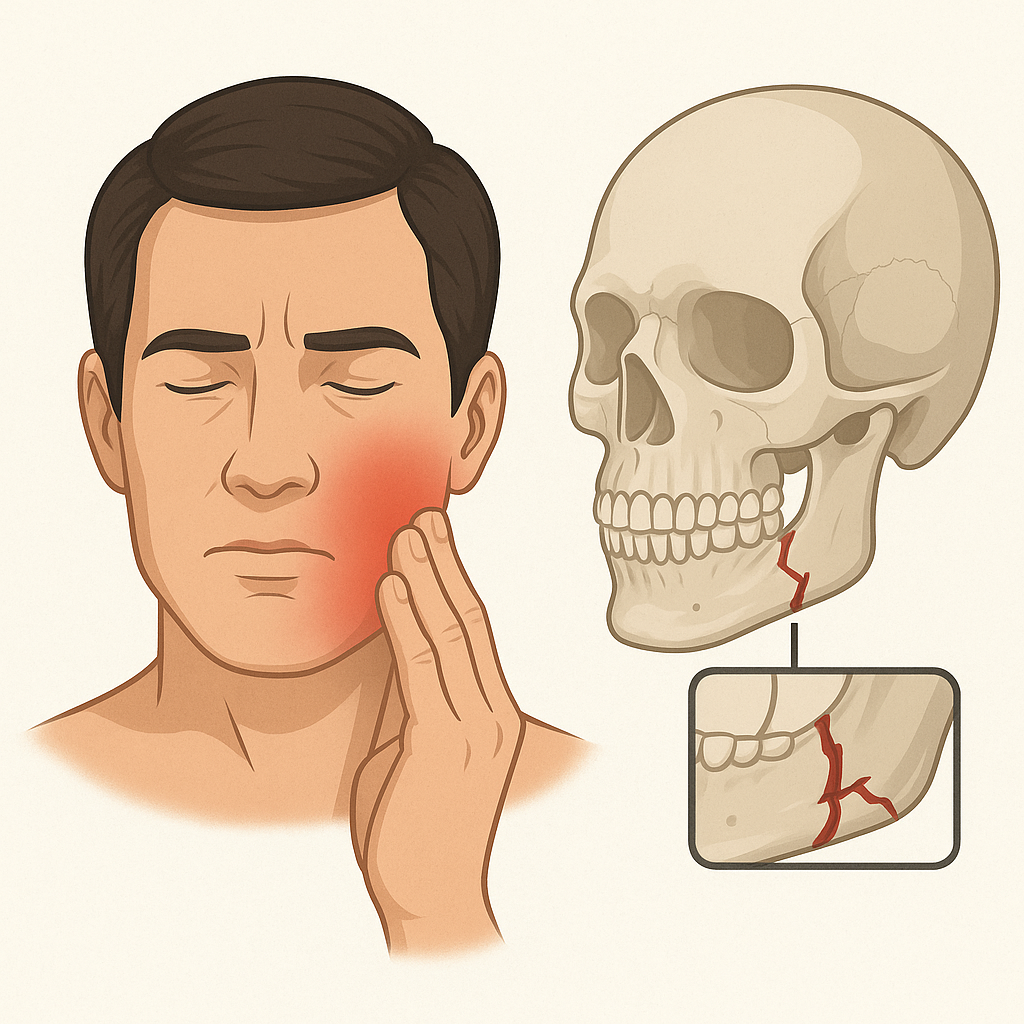

What Is a Lump in the Nose?
A lump in the nose is an important topic within nasal health, generally referring to nasal tumors that can be either benign or malignant. A "lump" describes a group of cells that begins to multiply and grow abnormally. During allergy season or flu season, it is worth paying closer attention to your nose, especially if you suffer from frequent sneezing or snoring. A bump in or on the nose can be a cause for concern, whether it turns out to be a simple pimple or something else.
Causes of a Lump in the Nose
Understanding what causes a lump in the nose can help you recognize the symptoms and know when it's time to see a doctor:
- Infectious causes: Bacteria and fungi are common causes of nasal lumps. Infections can lead to pain and redness, and in more severe cases, to the formation of a lump.
- Medical causes: Growths can form inside the nasal passage and require treatment. As these growths enlarge, they may extend into the sinuses, causing discomfort and pain.
- Traumatic causes: Physical injury, such as a blow to the nose, can result in swelling and bruising.

Types of Nasal Lumps
Tumors of the nose and sinuses can be either benign or malignant. Cancerous tumors of the nasal cavity or sinuses are rare, and only a limited number of cases are identified each year in Iran. Several types of cancer can develop in the nasal cavity or sinuses, including:
Are you a good candidate?
Your goal, medical condition, anatomy, and expectations for the result should all be reviewed together in an in-person evaluation.
What is a common mistake?
Deciding based only on one portfolio photo, or comparing yourself to someone else, can create unrealistic expectations.
Why does choosing the right surgeon matter?
A good outcome is not just about appearance; preserving function, safety, and a proper aftercare plan are also part of the treatment.
- Squamous cell carcinoma
- Adenocarcinoma
- Lymphomas
- Melanomas
Symptoms of Nasal and Sinus Tumors
While many nasal or sinus cancers cause no symptoms at all, certain signs may point toward the possibility of cancer, including:
- Persistent nasal congestion
- Pain in the forehead or cheek area
- Frequent nosebleeds
- Loss of the sense of smell
Diagnosing a Lump in the Nose
Diagnosis of a nasal lump usually begins with a medical history and physical examination. A fiber-optic camera (endoscope) may be used to examine the inside of the nasal cavity and sinuses. If cancer is suspected, a CT scan or MRI may also be ordered.
Treatment of Nasal Lumps
Treatment for nasal lumps varies depending on their type and size. Surgery, radiation therapy, and chemotherapy may be used to treat cancerous tumors. In benign cases, minimally invasive surgery alone may be sufficient.
Preventing Nasal Lumps
Avoiding risk factors such as tobacco use and exposure to chemical substances can help lower the risk of developing nasal lumps. Early detection and prompt medical consultation when symptoms appear can also help prevent the condition from progressing.
If you or someone you know is experiencing symptoms of a lump in the nose, be sure to consult a doctor so that a proper diagnosis and treatment plan can be made. Your health is our top priority.
Frequently Asked Questions
Is a lump in the nose always dangerous?
A lump in the nose can be either benign or malignant. Consulting a doctor is essential to determine exactly what type of lump it is.
When should I see a doctor?
If you experience symptoms such as frequent nosebleeds, persistent congestion, or pain in the nasal area, it is best to consult a doctor.
What about nasal lumps in children?
Nasal lumps can also occur in children and require proper evaluation and treatment. Seeing a doctor is recommended in these cases.
How are nasal lumps related to changes in facial shape?
In some cases, nasal lumps can lead to changes in facial shape. If you notice any visible changes, consulting a doctor is important.
Can a nasal lump cause bleeding?
Yes, nasal lumps can lead to frequent nosebleeds. If this occurs, it is advisable to see a doctor.
How can nasal lumps be prevented?
Avoiding risk factors such as tobacco use and recognizing symptoms early can help prevent nasal lumps from developing.
Answers to common concerns
Is the information in this article enough to make a treatment decision?
No. This article is for general awareness and does not replace a medical history review, examination, or a treatment plan suited to your individual condition.
When do I need a specialist evaluation for What Is a Lump in the Nose? Causes, Symptoms, and Treatment?
If you have a persistent symptom, a functional problem, a concern about appearance, or a question about the right approach, a specialist evaluation can help you decide with more confidence.
How do I raise my question with the medical team?
Enter your name and mobile number in the short form on this page so your request is logged in our system and the consultation coordination process is activated.
Take the next step with an initial evaluation
Enter your name and mobile number; your file will be created in our system and you'll be moved to the booking page.