What Is a Nasal Polyp?
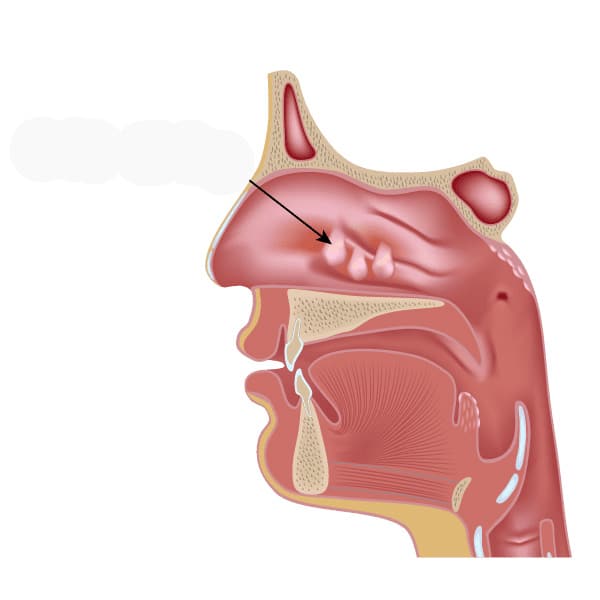
Nasal polyps are abnormal, non-cancerous growths that form as soft, swollen sacs within the inflamed tissue of the nose and sinuses. These growths can line the nasal cavity and sinuses, and when they become large enough, they can block the airways and cause breathing difficulties. Nasal polyps are considered a subtype of chronic rhinosinusitis, a condition in which the nasal cavity and sinuses remain inflamed and obstructed over a long period. However, not everyone with chronic rhinosinusitis goes on to develop nasal polyps.
These growths are relatively common, and anyone can develop them. While some types of cellular growths can be cancerous, a nasal polyp itself is not cancerous.
Causes and Risk Factors of Nasal Polyps
Researchers are still studying the exact causes of nasal polyps. These growths tend to be more common in people who have the following conditions:
- Asthma
- Aspirin sensitivity
- Chronic sinus infections
- Cystic fibrosis
- Hay fever (allergic rhinitis)
In addition, certain genes involved in the immune system and inflammatory responses may contribute to the formation of nasal polyps. If members of your family have had nasal polyps, your own likelihood of developing them is also higher.
What Are the Symptoms of Nasal Polyps?
People with nasal polyps may feel as though they have a cold that lasts for months. Common symptoms include:
- Nasal congestion (stuffiness)
- Runny nose
- A feeling of fullness in the sinuses (without pain)
- Reduced sense of smell
- A feeling of blockage and the need to breathe through the mouth
Although the symptoms of nasal polyps can resemble those of other conditions, seeing a doctor is essential to confirm an accurate diagnosis.
Are you a good candidate?
Your goal, medical condition, anatomy, and expectations for the result should all be reviewed together in an in-person evaluation.
What is a common mistake?
Deciding based only on one portfolio photo, or comparing yourself to someone else, can create unrealistic expectations.
Why does choosing the right surgeon matter?
A good outcome is not just about appearance; preserving function, safety, and a proper aftercare plan are also part of the treatment.
How Are Nasal Polyps Diagnosed?
Diagnosing nasal polyps usually begins with a review of medical history and a physical examination. The doctor may use specific instruments to view the polyps directly. In some cases, the following tests are used for a more precise diagnosis:
- Nasal endoscopy
- CT scan
- MRI
- Allergy testing
- Polyp biopsy (if necessary)
Many people with nasal polyps need to be evaluated by an ear, nose, and throat (ENT) specialist.
Learn more: What Is the Function of the Nose?
How Are Nasal Polyps Treated?
Treatment for nasal polyps depends on the severity of symptoms, the patient's age, and their general health. The main goal of treatment is to reduce inflammation and shrink the size of the polyps. Doctors typically begin treatment with topical steroid medications, which can help reduce inflammation. If there is no adequate response to this treatment, oral steroid medications may be prescribed.
Other treatment options include:
- Anti-leukotriene medications
- Antibiotics (when needed)
- Saline sinus rinses
- Antihistamines
- Allergen immunotherapy
If medical treatments are not effective, surgery may be a suitable option. After surgery, the use of inhaled nasal steroids is recommended to help prevent the polyps from returning.
What Are the Possible Complications of Nasal Polyps?
Nasal polyps can lead to complications such as sinus infections. In rare cases, more serious infections such as meningitis or infections around the eyes may occur. If your symptoms do not improve, be sure to see a doctor.
What Can I Do to Prevent Nasal Polyps?
There is no guaranteed way to prevent nasal polyps from forming, but following your doctor's medical treatment plan and instructions can help control them and reduce the chance of recurrence.
Learn more: What Is a Mass in the Nose?
When Should You See a Doctor?
If your symptoms do not improve after a few days of treatment, or if you notice unusual signs such as abnormal vision or swelling around the eyes, be sure to see a doctor.
Key Points About Nasal Polyps
- Nasal polyps are not cancer.
- Related conditions such as asthma and allergies may be more common in people who have nasal polyps.
- Medical and surgical treatments can help reduce symptoms.
- Nasal polyps can, in rare cases, lead to complications such as meningitis.
We hope the information in this article helps you better understand nasal polyps and, if needed, take the appropriate next steps. If you have any questions or need a consultation, please speak with your doctor.
Frequently Asked Questions
Are nasal polyps dangerous?
Nasal polyps are not dangerous on their own, but they can lead to complications such as sinus infections.
How can nasal polyps be treated?
Treatment for nasal polyps includes steroid medications, antibiotics, and, in some cases, surgery.
Can nasal polyps go away with home remedies?
Home remedies may help reduce symptoms, but consulting a doctor is essential for effective treatment.
What causes nasal polyps to form?
A number of factors, including asthma, allergies, and chronic sinus infections, can contribute to the formation of nasal polyps.
Answers to common concerns
Is the information in this article enough to make a treatment decision?
No. This article is for general awareness and does not replace a medical history review, examination, or a treatment plan suited to your individual condition.
When do I need a specialist evaluation for What Is a Nasal Polyp??
If you have a persistent symptom, a functional problem, a concern about appearance, or a question about the right approach, a specialist evaluation can help you decide with more confidence.
How do I raise my question with the medical team?
Enter your name and mobile number in the short form on this page so your request is logged in our system and the consultation coordination process is activated.
Take the next step with an initial evaluation
Enter your name and mobile number; your file will be created in our system and you'll be moved to the booking page.