What Is an Allergy?
An allergy is your body's reaction to substances that are normally harmless. In answer to the question "what is an allergy," it should be said that these reactions can range from mild to severe, and in some cases can even be life-threatening. A number of treatments are available to help manage the condition, including antihistamines, decongestants, and immunotherapy.
The Precise Definition of an Allergy
An allergy is your body's reaction to a foreign protein. These proteins, known as allergens, are usually harmless. However, if you are sensitive to a particular protein, your immune system reacts to it.
What Happens During an Allergic Reaction?
An allergic reaction is the way your body responds to an allergen. The first time you are exposed to an allergen, your body produces antibodies called immunoglobulin E (IgE), which attach to allergy cells and trigger the release of histamine. Histamine is the main substance responsible for allergy symptoms.
Symptoms and Causes of Allergies
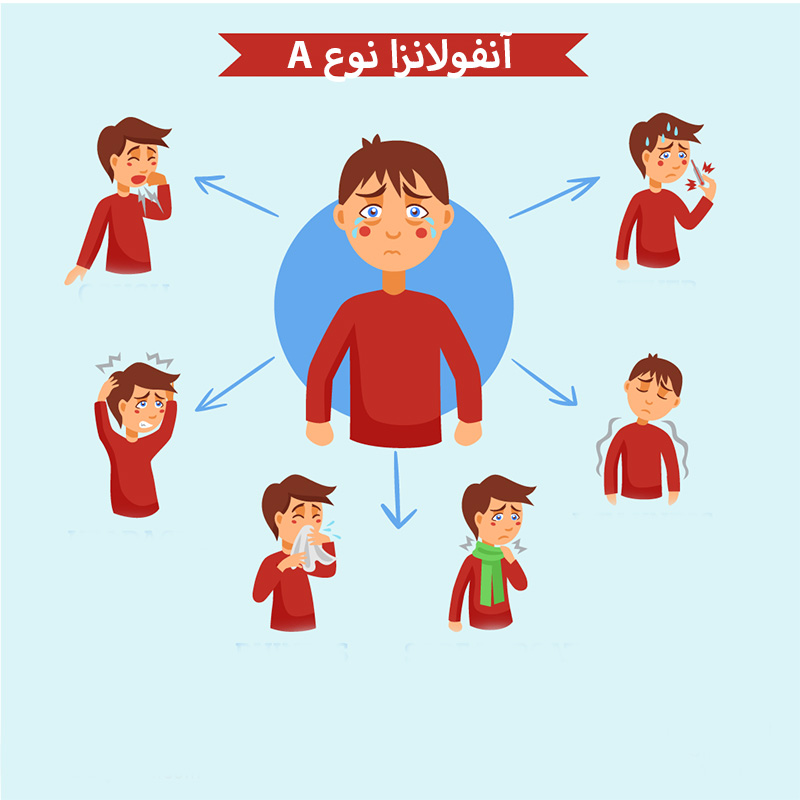
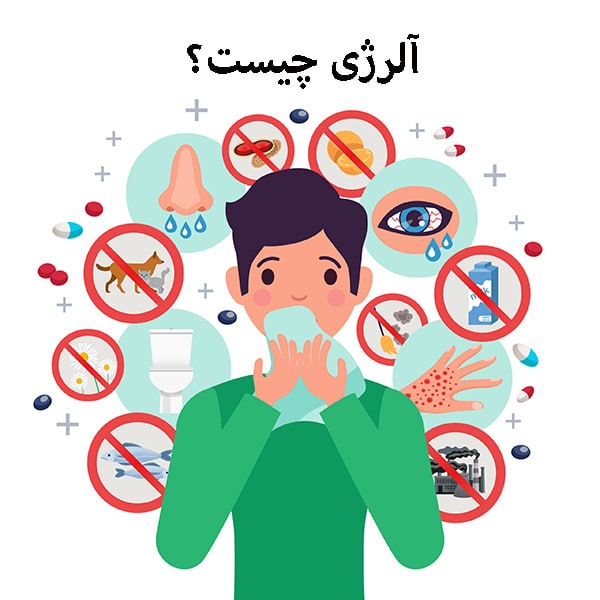
Allergies can cause a variety of symptoms, including sneezing, itching, watery eyes, or breathing difficulty. This occurs because the immune system overreacts to certain foreign substances.
Are you a good candidate?
Your goal, medical condition, anatomy, and expectations for the result should all be reviewed together in an in-person evaluation.
What is a common mistake?
Deciding based only on one portfolio photo, or comparing yourself to someone else, can create unrealistic expectations.
Why does choosing the right surgeon matter?
A good outcome is not just about appearance; preserving function, safety, and a proper aftercare plan are also part of the treatment.
The Most Common Types of Allergies
- Food allergy: Can involve itching, nausea, and swelling around the mouth.
- Respiratory allergy: Symptoms include a runny nose, sneezing, and shortness of breath.
- Skin allergy: Can present as hives and itching.
Respiratory Allergies
Respiratory allergies are reactions to substances present in the air. These allergens can include plant pollen, animal dander, and dust.

Common Allergy Triggers
Common allergy triggers include:
- Pets
- Dust
- Mold
- Medications
- Insect venom
Diagnosing Allergies and Allergy Testing
Diagnosing an allergy requires consultation with an allergy specialist. Skin tests and blood tests are common methods used to identify allergens.
Diagnostic Methods
- Skin tests: A fine needle is used to help identify allergens.
- Blood test: Measures IgE antibody levels in the blood.
Allergy Treatment
Managing an allergy involves avoiding allergens and using anti-allergy medications. These medications can include antihistamines and nasal sprays.
Effective Medications
- Antihistamines
- Steroid nasal sprays
- Immunotherapy
Allergy Prevention
The best way to prevent allergies is to avoid allergens. You can also take antihistamines daily to help control symptoms.
Frequently Asked Questions
What is an allergy?
An allergy is a reaction of the body's immune system to harmless substances, which can produce a variety of symptoms.
How is an allergy diagnosed?
Allergies are usually diagnosed through skin tests or a blood test.
Is an allergy contagious?
No, allergies are not contagious and cannot be passed from one person to another.
What are the common symptoms of an allergy?
Symptoms include sneezing, itching, a runny nose, and shortness of breath.
How can allergies be prevented?
The best way to prevent allergies is to avoid allergens and use medications that help control symptoms.
If you are looking for more information about allergies and how to manage them, consult your doctor and rely on credible sources. You can also expand your knowledge on this topic by reading related articles.

Answers to common concerns
Is the information in this article enough to make a treatment decision?
No. This article is for general awareness and does not replace a medical history review, examination, or a treatment plan suited to your individual condition.
When do I need a specialist evaluation for What Is an Allergy? 5 Different Types Explained?
If you have a persistent symptom, a functional problem, a concern about appearance, or a question about the right approach, a specialist evaluation can help you decide with more confidence.
How do I raise my question with the medical team?
Enter your name and mobile number in the short form on this page so your request is logged in our system and the consultation coordination process is activated.
Take the next step with an initial evaluation
Enter your name and mobile number; your file will be created in our system and you'll be moved to the booking page.