
What Is Septoplasty?
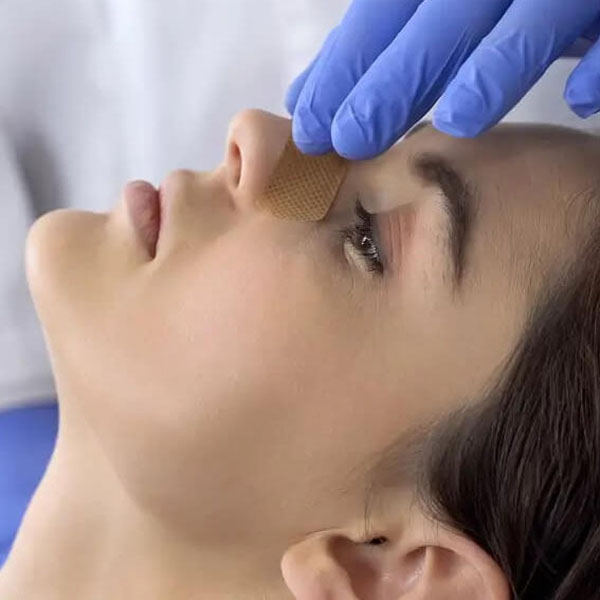
Septoplasty is a surgical procedure performed to straighten the nasal septum, the wall of cartilage and bone that divides the two nostrils. A deviated septum can make it difficult to breathe through the nose and can increase the risk of sinus infections due to poor drainage. The procedure is aimed at improving breathing and, in turn, patients' quality of life.
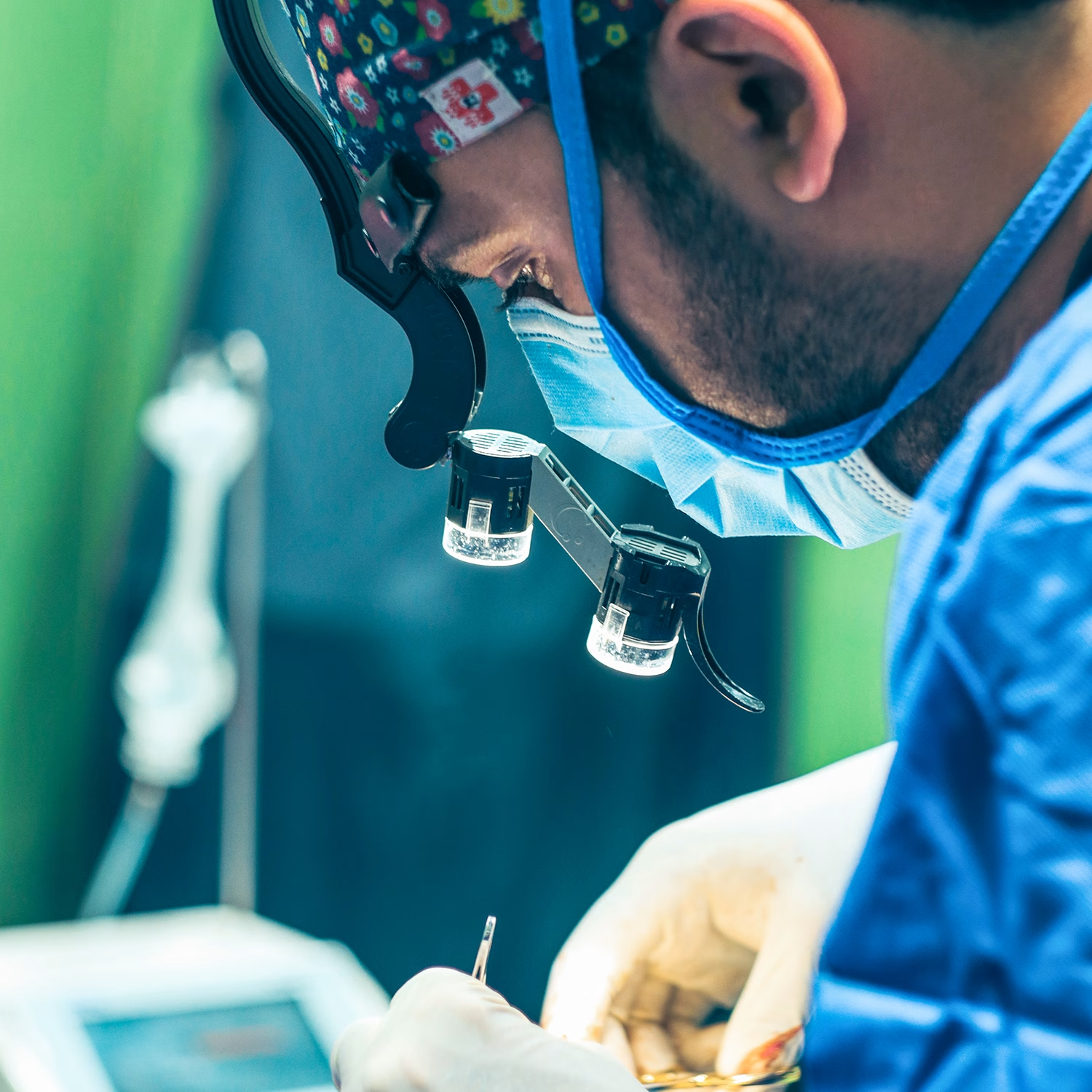
During septoplasty, the surgeon uses specialized instruments to reposition the septum correctly. After healing, patients typically breathe more comfortably, and the surgeon will discuss the goals and benefits of the procedure with you during your consultation.
Deviated Septum and Its Symptoms
A deviated septum is a common and treatable condition. In severe cases, the deviation can partially or fully block one side of the nose and reduce airflow, leading to breathing problems. Affected individuals may notice unusual sounds while breathing and, in some cases, snoring.
Septoplasty is performed by repositioning and, when necessary, replacing cartilage or bone within the septum. If you experience symptoms such as difficulty breathing through your nose that affect your quality of life, you may need surgery to correct a deviated septum.
Difference Between Septoplasty and Rhinoplasty
Septoplasty and rhinoplasty are two different types of nasal surgery with different goals. Septoplasty corrects a deviated septum and improves nasal breathing function, while rhinoplasty is primarily performed to reshape the nose for cosmetic purposes. In some cases, the two procedures can be performed together.
Septorhinoplasty: Combining Functional and Cosmetic Surgery
Septorhinoplasty combines septoplasty and rhinoplasty in a single procedure. It is suited to patients who need both to address breathing problems and to change the appearance of their nose. With this combined approach, functional and cosmetic improvements can be achieved at the same time.
Are you a good candidate?
Your goal, medical condition, anatomy, and expectations for the result should all be reviewed together in an in-person evaluation.
What is a common mistake?
Deciding based only on one portfolio photo, or comparing yourself to someone else, can create unrealistic expectations.
Why does choosing the right surgeon matter?
A good outcome is not just about appearance; preserving function, safety, and a proper aftercare plan are also part of the treatment.
Who Is a Good Candidate for Septoplasty?
People with a deviated septum and related breathing difficulties are good candidates for septoplasty. Those who experience recurrent sinus infections, nighttime snoring, or chronic headaches may also benefit from this procedure.
Steps of Septoplasty Surgery
- An initial consultation with the surgeon to review your medical history and perform a physical examination.
- Tests and nasal imaging for a precise evaluation.
- The surgery itself, performed under general or local anesthesia.
- Transfer to the recovery room for monitoring.
Type of Anesthesia Used
Septoplasty may be performed under general or local anesthesia. The choice depends on the complexity of the procedure and the patient's preference.
Duration of Septoplasty Surgery
Septoplasty typically takes between 30 minutes and 2 hours. The exact duration depends on several factors, including the complexity of the case and the patient's condition.
Cost of Septoplasty in Iran
The cost of septoplasty depends on several factors, including the surgeon's experience, the surgical facility, and the type of anesthesia used. For accurate pricing information, a consultation with a specialist is recommended.
Possible Complications and Risks of Septoplasty
Like any surgery, septoplasty carries risks such as bleeding, infection, and adverse reactions to anesthesia. Specific complications that may occur with this procedure include:
- Persistent nasal obstruction symptoms
- Excessive bleeding
- Changes in the shape of the nose
- Reduced sense of smell
Recovery Period and Post-Operative Care
After septoplasty, certain precautions are important for faster healing and fewer complications. These include:
- Getting adequate rest and avoiding strenuous activity
- Avoiding blood-thinning medications
- Following your surgeon's instructions for nasal care
Returning to Daily Activities and Exercise
Depending on the extent of the surgery and the patient's condition, most people can return to daily activities within a few days. However, strenuous exercise should be postponed for several weeks.
Success Rate of Septoplasty
Septoplasty is generally associated with a high success rate, and most patients experience a noticeable improvement in breathing and quality of life.
Does Septoplasty Change the Appearance of the Nose?
The main goal of septoplasty is to improve breathing function, though it may also produce some changes in the appearance of the nose. These changes are usually minor and depend on the specifics of the procedure.
Frequently Asked Questions
How long does septoplasty surgery take?
Septoplasty typically takes between 30 minutes and 2 hours.
What are the possible complications of septoplasty?
Possible complications include bleeding, infection, and changes in the shape of the nose.
Can I return to daily activities after septoplasty?
Yes, most patients can return to daily activities within a few days, though strenuous activities should be postponed.
Is septoplasty painful?
The patient is under anesthesia during the procedure, and while some discomfort may follow afterward, it is manageable.
Can septoplasty help improve chronic sinusitis?
Yes, correcting a deviated septum can help improve chronic sinusitis and reduce recurrent sinus infections.
If you suffer from breathing problems caused by a deviated septum, septoplasty may be a suitable option for you. By consulting with a specialist surgeon, you can learn more about the procedure and its benefits, and take a step toward improving your quality of life.
Answers to common concerns
Is the information in this article enough to make a treatment decision?
No. This article is for general awareness and does not replace a medical history review, examination, or a treatment plan suited to your individual condition.
When do I need a specialist evaluation for What Is Septoplasty? A Guide to Nasal Septum Surgery?
If you have a persistent symptom, a functional problem, a concern about appearance, or a question about the right approach, a specialist evaluation can help you decide with more confidence.
How do I raise my question with the medical team?
Enter your name and mobile number in the short form on this page so your request is logged in our system and the consultation coordination process is activated.
Take the next step with an initial evaluation
Enter your name and mobile number; your file will be created in our system and you'll be moved to the booking page.