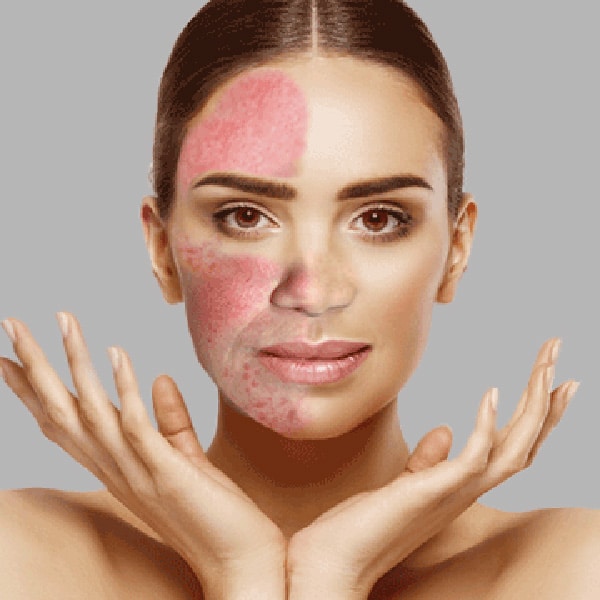
What Is Nasal Rosacea?
Nasal rosacea is a common skin condition that causes redness and flushing in the nose and face. It can also appear alongside other symptoms, such as small, pus-filled bumps. Rosacea typically persists for weeks to months and tends to flare up intermittently. It is most often seen in middle-aged women with fair skin, and while there is no definitive cure, a range of treatments can help control its symptoms.
Learn more: Best Cartilage Rhinoplasty Surgeon in Tehran
Symptoms of Nasal Rosacea
The symptoms of nasal rosacea can vary from person to person, and not everyone experiences all of them. Common symptoms include:
- Redness or flushing: Usually seen in the central part of the face, especially the nose.
- Visible blood vessels: Vessels beneath the skin may become noticeably red and prominent.
- Swollen bumps: Acne-like bumps that may contain pus.
- Burning and itching sensations: The affected skin may feel warmer and more sensitive than usual.
- Eye problems: Dryness and irritation of the eyes, known as ocular rosacea.
- Enlargement of the nose: In some cases, rosacea can cause the skin on the nose to thicken.
Where on the Body Does Rosacea Appear?
Rosacea can affect several different areas of the body, including:
- Nose
- Chin
- Cheeks
- Forehead
- Eyes
- Chest
- Ears
- Neck
- Scalp
Learn more: What Is Sinusitis?
When Should You See a Doctor?
If you have persistent symptoms of rosacea on your face or in your eyes, it is best to consult a physician or dermatologist for proper diagnosis and treatment.
Types of Nasal Rosacea
Nasal rosacea is generally classified into four types:
Are you a good candidate?
Your goal, medical condition, anatomy, and expectations for the result should all be reviewed together in an in-person evaluation.
What is a common mistake?
Deciding based only on one portfolio photo, or comparing yourself to someone else, can create unrealistic expectations.
Why does choosing the right surgeon matter?
A good outcome is not just about appearance; preserving function, safety, and a proper aftercare plan are also part of the treatment.
- Erythematotelangiectatic: Causes persistent facial redness along with large, visible blood vessels.
- Papulopustular: Produces swollen, pus-filled bumps similar to acne.
- Phymatous: Causes thickening of the skin and the formation of bumps, most commonly affecting the nose.
- Ocular: Can cause irritation and redness of the eyes.
Diagnosis and Tests
Rosacea is usually diagnosed through a physical examination and a review of symptoms. Your doctor may also take your medical history into account.
Causes of Nasal Rosacea
The exact cause of rosacea remains unknown, but the following factors can contribute to flare-ups:
- Hot beverages and spicy foods
- Red wine and other alcoholic drinks
- Direct sun exposure
- Hormonal changes
- Stress
Learn more: What Is an Allergy?
Treatment Options for Nasal Rosacea
Treatment for rosacea generally focuses on relieving symptoms and preventing them from worsening. Treatment options include:
- Medications: Including antibiotics and topical creams such as metronidazole and azelaic acid.
- Laser treatment: To reduce redness and address visible blood vessels.
- Surgery: In severe cases, surgery to correct the shape of the nose may be recommended.
Foods to Avoid
Spicy foods can aggravate rosacea symptoms. If eating these foods makes your symptoms worse, it is best to avoid them.
Treatment Duration
Treatment duration can range from a few weeks to several months. Your doctor will monitor your condition and adjust your medication dosage as needed.
Preventing Rosacea
While rosacea cannot be entirely prevented, identifying and avoiding your personal triggers can help lower the risk of flare-ups. Using sunscreen to protect your skin from sun exposure is also important.
Learn more: Nasal Irrigation
Managing Nasal Rosacea
Managing nasal rosacea requires certain lifestyle adjustments and consistent skincare habits. Using gentle, oil-free products, such as mild cleansers and moisturizers, can help improve the condition of the skin. It is also advisable to avoid products containing alcohol and menthol.
Natural Remedies and Lifestyle Changes
In addition to medical treatments, lifestyle changes can help manage nasal rosacea. For example, eating a healthy diet, reducing stress, and using natural skincare products can be beneficial.
Frequently Asked Questions
Is there a definitive cure for nasal rosacea?
Unfortunately, nasal rosacea has no definitive cure, but appropriate treatment can help control its symptoms.
How can I prevent rosacea from flaring up again?
Identifying and avoiding your triggers, using sunscreen, and maintaining good skincare habits can help prevent rosacea flare-ups.
Does rosacea only affect the nose?
No, rosacea can affect various areas of the face and body, though the nose is one of the most commonly affected areas.
When should I see a doctor?
If your rosacea symptoms persist or worsen, it is best to consult a doctor.
If you or someone you know has nasal rosacea, it is best to consult a dermatologist to receive the most suitable treatment options and help prevent flare-ups. Based on your specific symptoms and circumstances, your doctor can develop a management plan tailored to your needs.
Answers to common concerns
آیا روزاسه بینی درمان قطعی دارد؟
خیر، روزاسه بینی درمان قطعی ندارد، اما با درمانهای دارویی، لیزر و در موارد شدید جراحی میتوان علائم آن را کنترل کرد.
چه عواملی میتوانند علائم روزاسه بینی را تشدید کنند؟
نوشیدنیهای گرم و غذاهای تند، شراب قرمز و سایر نوشیدنیهای الکلی، نور مستقیم خورشید، تغییرات هورمونی و استرس از عوامل شناختهشده تشدیدکننده هستند.
روزاسه بینی چه انواعی دارد؟
روزاسه به چهار نوع اریتماتوتلانژکتاتیک، پاپولوپوستولار، فیماتوز و چشمی تقسیم میشود که هرکدام علائم متفاوتی دارند.
چه زمانی باید برای روزاسه بینی به پزشک مراجعه کرد؟
اگر علائمی مانند قرمزی مداوم صورت یا تحریک چشم بهطور پیوسته ادامه داشته باشد یا بدتر شود، بهتر است به پزشک یا متخصص پوست مراجعه شود.
Take the next step with an initial evaluation
Enter your name and mobile number; your file will be created in our system and you'll be moved to the booking page.