What Is Sinusitis?
Sinusitis refers to inflammation or swelling of the mucous membranes lining the sinuses. It can develop from a variety of causes, and its symptoms typically include facial pain, pressure around the sinus areas, and nasal congestion. This article looks at sinusitis, its different types, symptoms, causes, diagnostic methods, and the treatment options available.
What Is a Sinus?
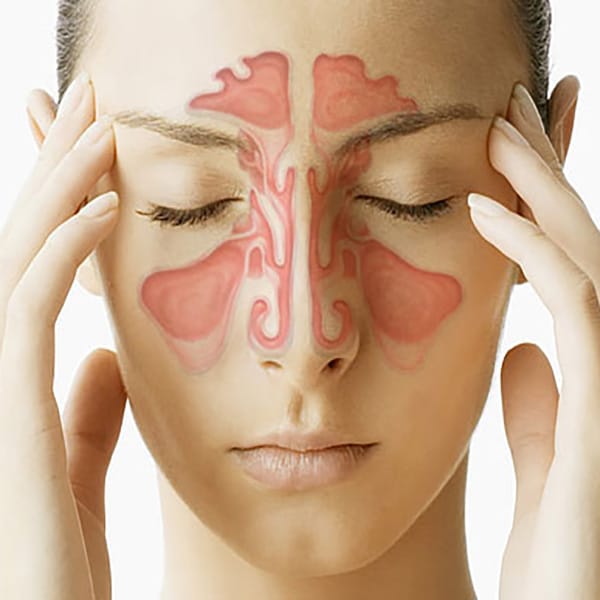
The sinuses are hollow cavities within the facial bones that are lined with mucous membranes. They connect to the nasal passages and help keep the inside of the nose moist. The paranasal sinuses include the frontal, ethmoid, maxillary, and sphenoid sinuses.
Types of Sinusitis
- Acute sinusitis: Symptoms usually resemble a common cold, come on suddenly, and last between 2 and 4 weeks.
- Subacute sinusitis: This form typically lasts 4 to 12 weeks.
- Chronic sinusitis: Symptoms persist for 12 weeks or longer.
- Recurrent sinusitis: Episodes occur several times a year.
- Pansinusitis: All of the sinuses in the head are affected.
Symptoms of Sinusitis
Symptoms of sinusitis include:
- Nasal congestion and thick nasal discharge
- Pain or pressure in the face, particularly when bending forward
- Sinus headache
- Reduced sense of smell
- Fever and cough
Causes and Risk Factors of Sinusitis
A number of factors can lead to sinusitis, including:
- Viral and bacterial infections
- Allergies and sensitivities
- Nasal polyps and a deviated septum
Are you a good candidate?
Your goal, medical condition, anatomy, and expectations for the result should all be reviewed together in an in-person evaluation.
What is a common mistake?
Deciding based only on one portfolio photo, or comparing yourself to someone else, can create unrealistic expectations.
Why does choosing the right surgeon matter?
A good outcome is not just about appearance; preserving function, safety, and a proper aftercare plan are also part of the treatment.
How Sinusitis Is Diagnosed
Diagnosing sinusitis generally involves a physical examination, imaging studies such as a CT scan, and a review of the patient's medical history.
Medical Treatments for Sinusitis
Antibiotics
If a bacterial infection is identified, the doctor may prescribe antibiotics.
Pain Relievers
Pain relievers such as ibuprofen or acetaminophen can help ease discomfort.
Steroids
Nasal steroid sprays may be prescribed to help reduce inflammation.
Surgery
In chronic or recurrent cases, surgery may be needed to open up the sinus passages.
Home Remedies for Sinusitis
Some home-based approaches that can help relieve sinusitis include:
- Using a steam humidifier to keep the air moist
- Rinsing the nasal passages with a saline solution
- Drinking plenty of fluids
- Getting adequate rest
Preventing Sinusitis
To help lower the risk of developing sinusitis, avoid smoking and wash your hands regularly. It also helps to stay away from allergens and to consult a doctor when needed.
Is Sinusitis Dangerous?
In rare cases, untreated sinusitis can lead to serious complications such as meningitis or a bone infection. For this reason, timely treatment is important.
The Role of Allergies and Nasal Polyps in Sinusitis
Allergies and the presence of nasal polyps can block the sinus passages, which in turn increases the risk of developing sinusitis. These factors can cause secretions to build up and lead to inflammation of the mucous membranes.
Lifestyle Changes for Managing Chronic Sinusitis
Managing chronic sinusitis calls for changes in daily habits. The following can help:
- Avoiding allergens and irritants
- Using prescribed medications consistently
- Seeing a doctor for periodic follow-up checks
Frequently Asked Questions
How is sinusitis diagnosed?
Sinusitis is usually diagnosed through a physical examination, a review of medical history, and imaging studies such as a CT scan.
Can sinusitis affect children as well?
Yes, sinusitis can occur in children too, and its symptoms may resemble those seen in adults.
How can sinusitis be prevented?
To help prevent sinusitis, avoid smoking and wash your hands regularly.
What are the home remedies for sinusitis?
Using steam, rinsing the nose with saline solution, and drinking plenty of fluids are among the home remedies for sinusitis.
How can chronic sinusitis be managed?
Lifestyle changes such as avoiding allergens and consistently using prescribed medications can help manage chronic sinusitis.
If you or someone you know is dealing with sinusitis, it's best to consult a doctor to receive the appropriate, effective treatment. Additional information and specialist consultation with Dr. Hamidreza Rasti's clinic in Tehran can help improve your condition. Following preventive measures can also help you avoid developing this condition.
Answers to common concerns
Is the information in this article enough to make a treatment decision?
No. This article is for general awareness and does not replace a medical history review, examination, or a treatment plan suited to your individual condition.
When do I need a specialist evaluation for What Is Sinusitis??
If you have a persistent symptom, a functional problem, a concern about appearance, or a question about the right approach, a specialist evaluation can help you decide with more confidence.
How do I raise my question with the medical team?
Enter your name and mobile number in the short form on this page so your request is logged in our system and the consultation coordination process is activated.
Take the next step with an initial evaluation
Enter your name and mobile number; your file will be created in our system and you'll be moved to the booking page.